
Coffee & Coffee houses
Final Project ( פרויקט גמר)
Bezalel Academy of Arts and Design
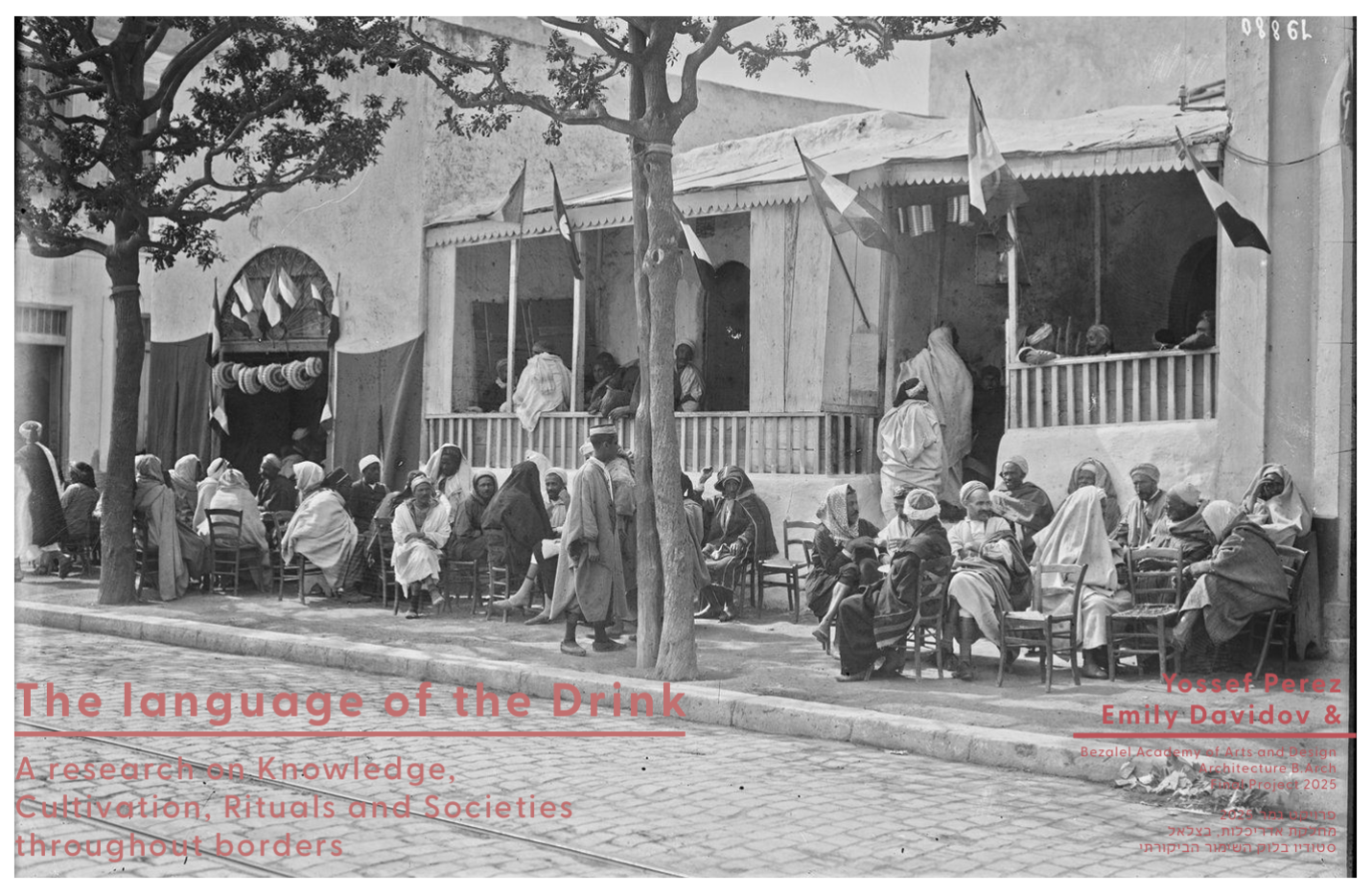
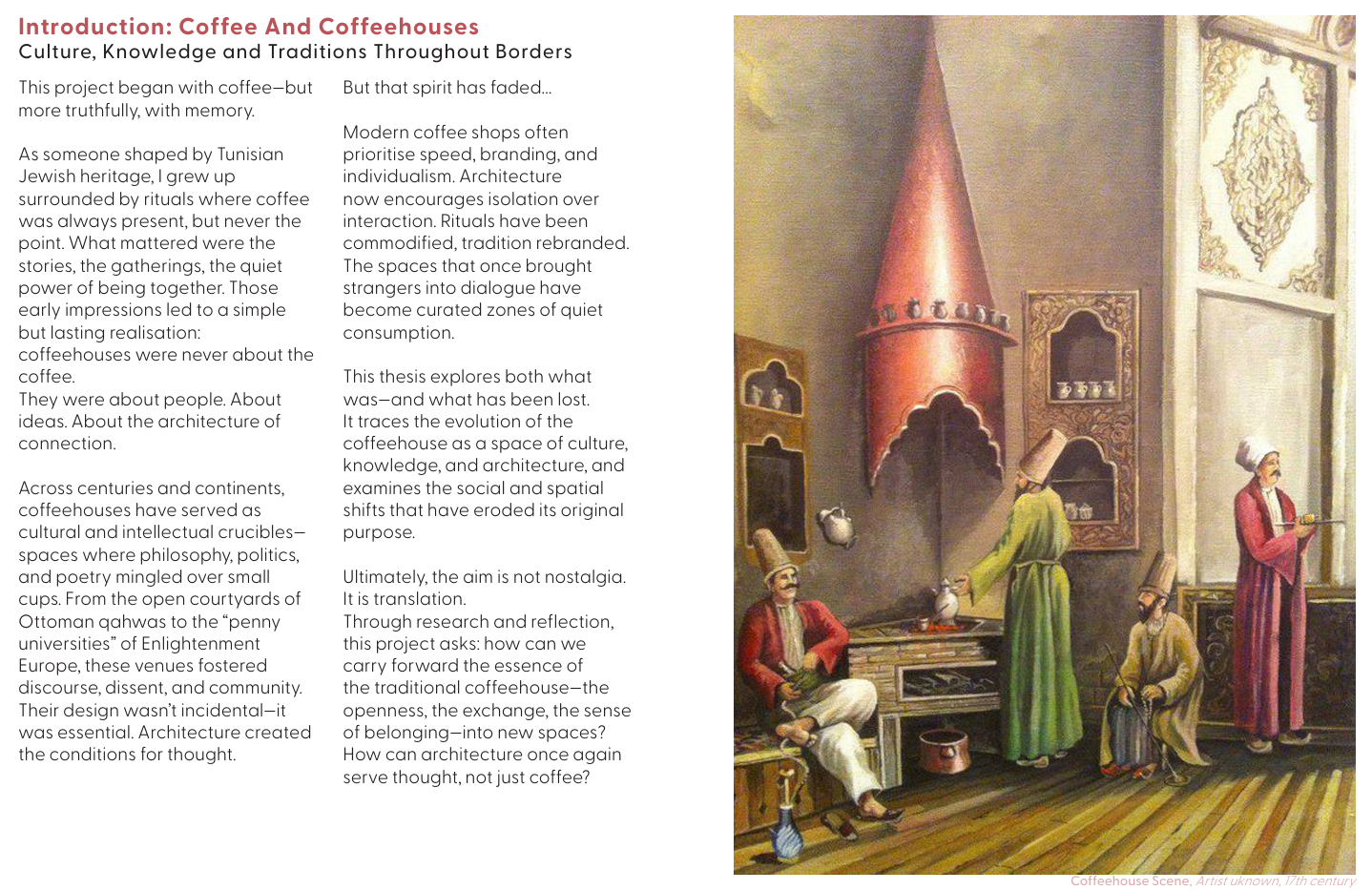
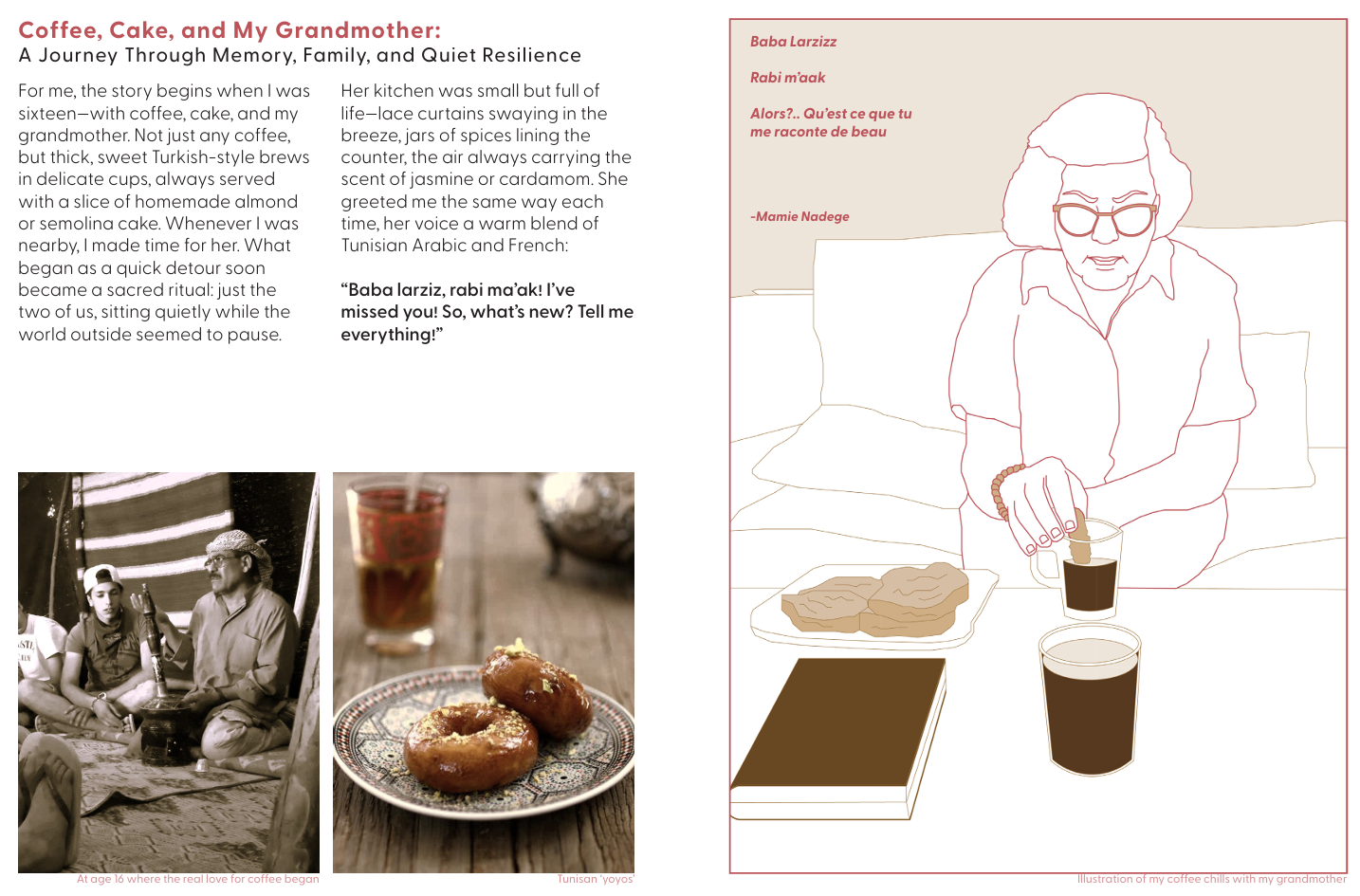
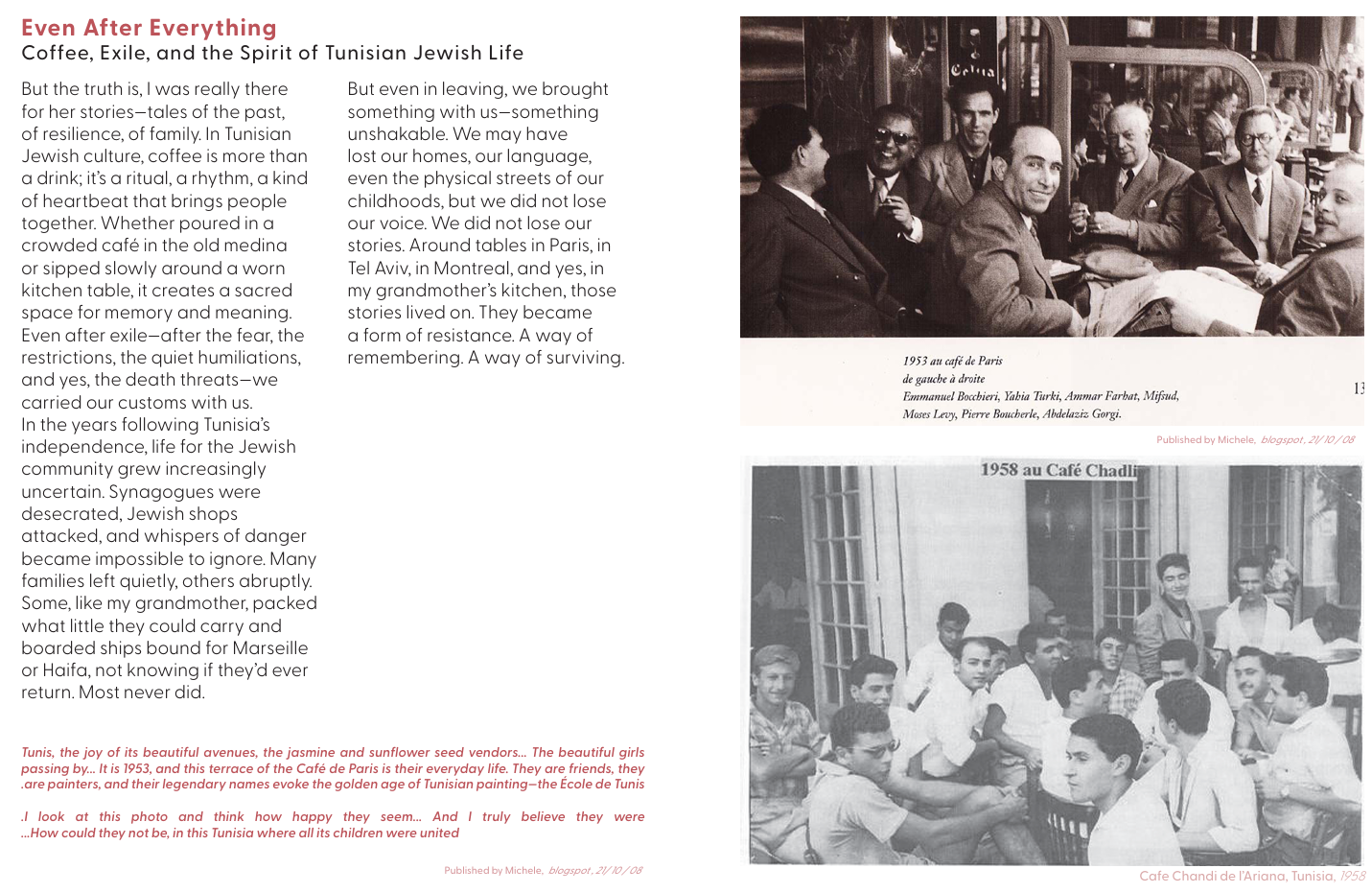
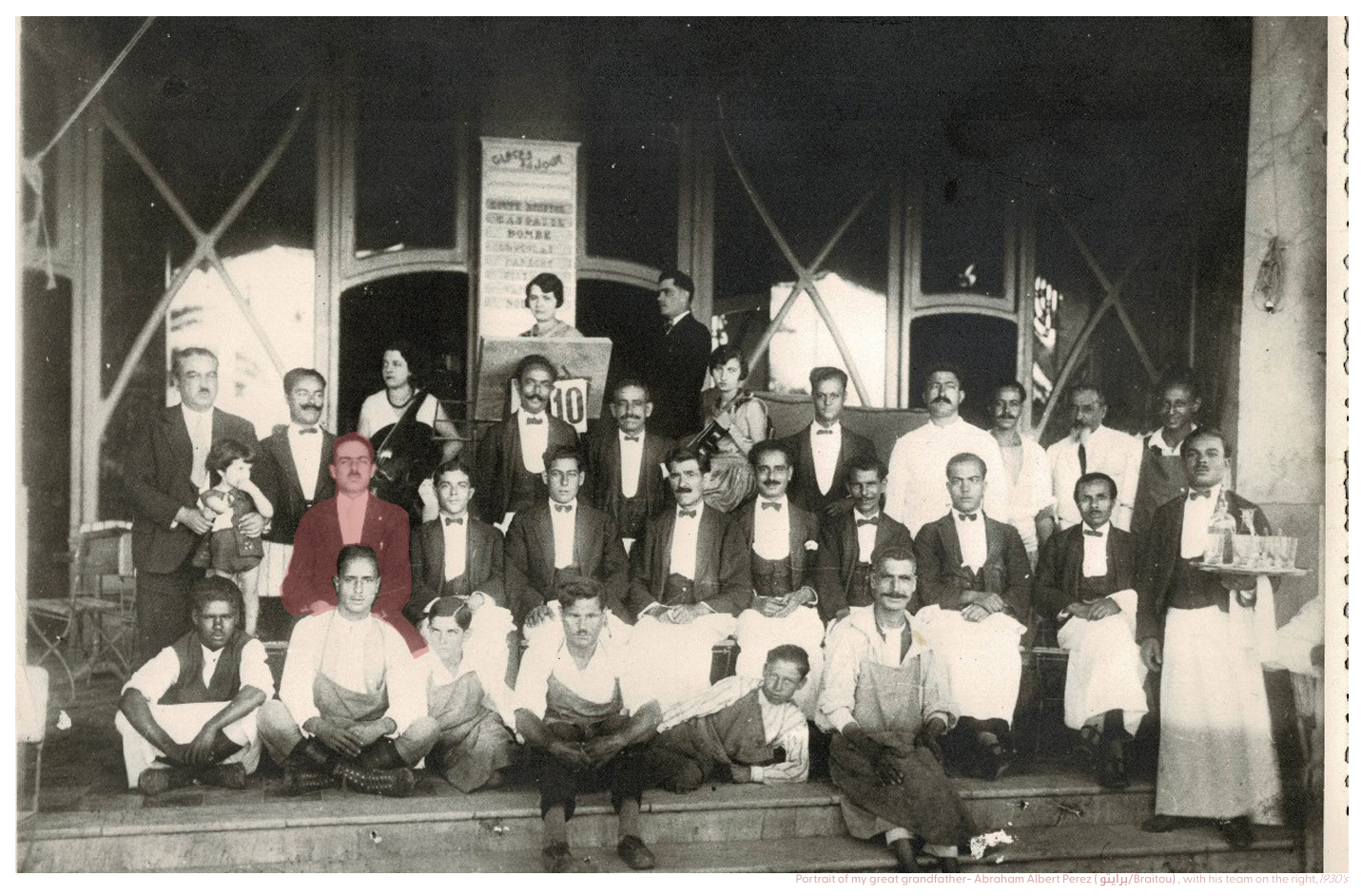
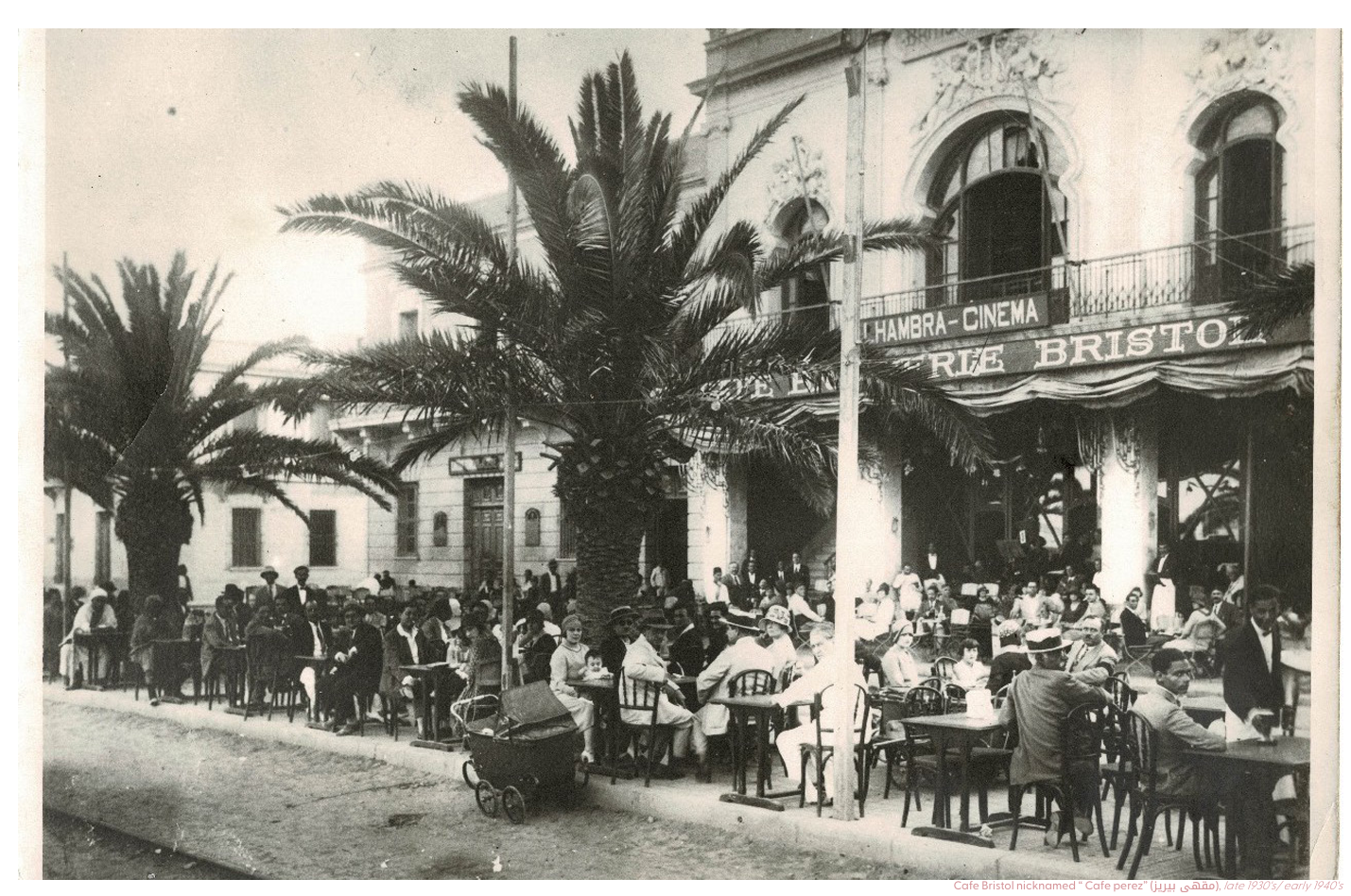
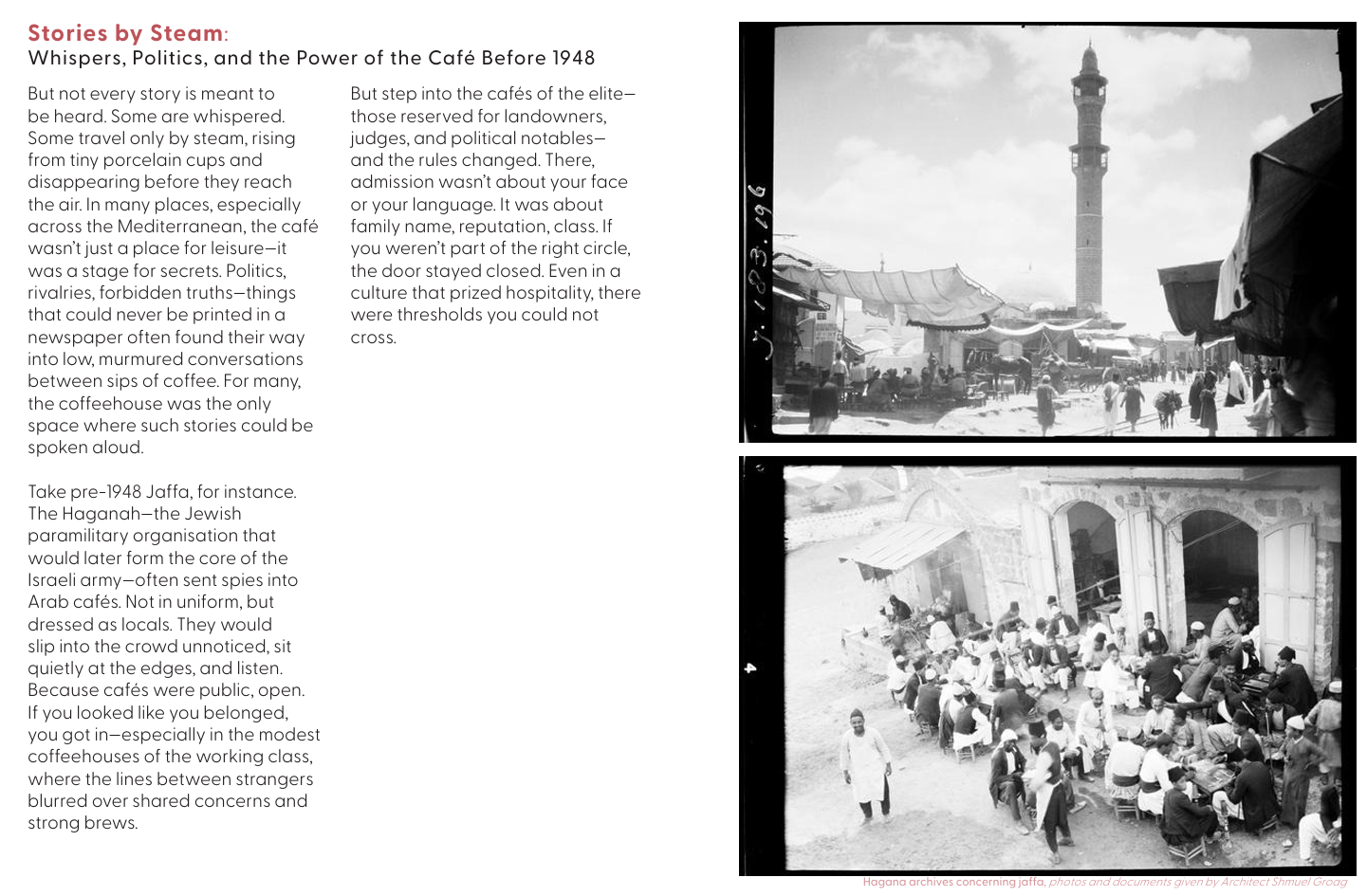
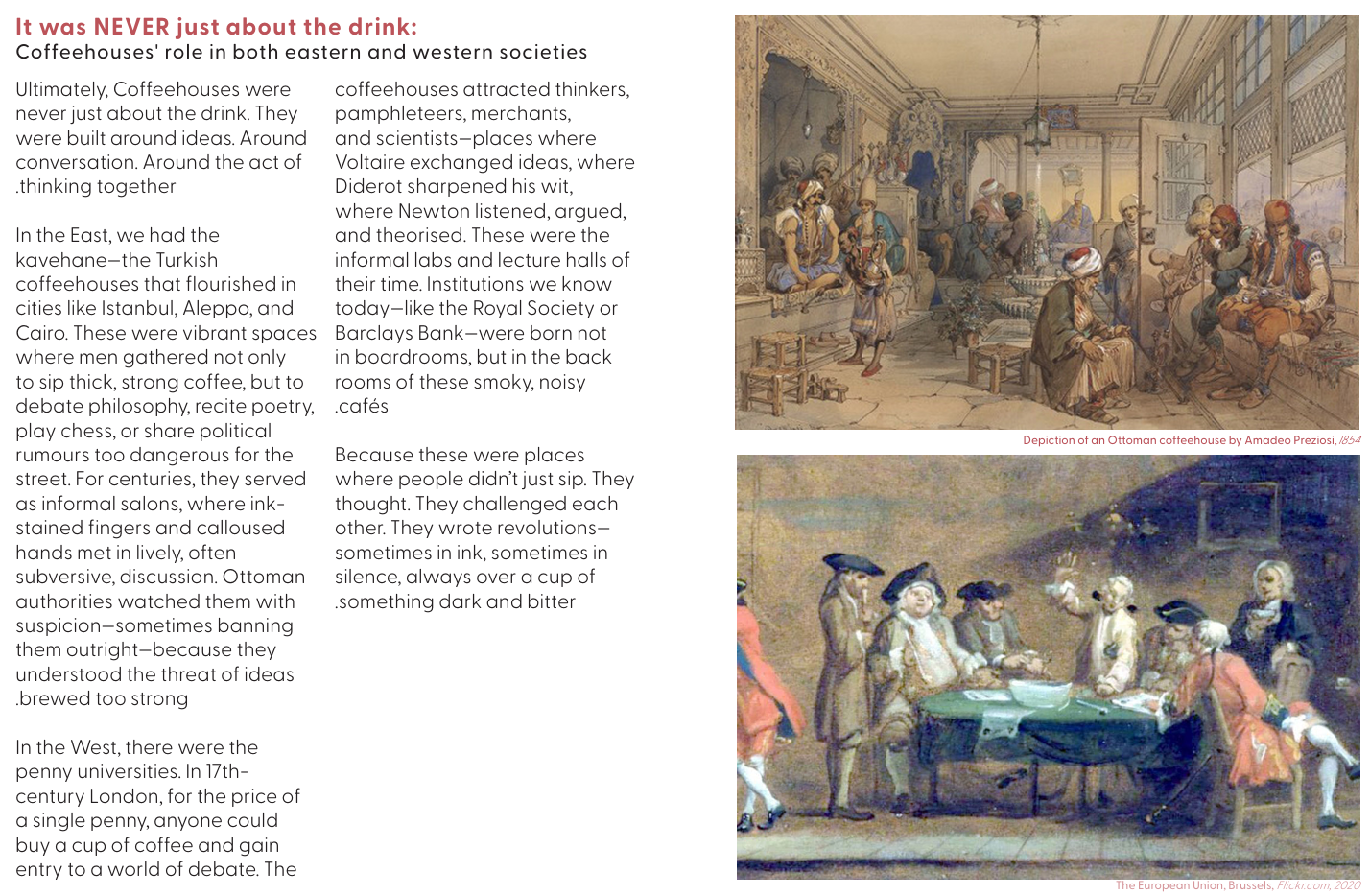
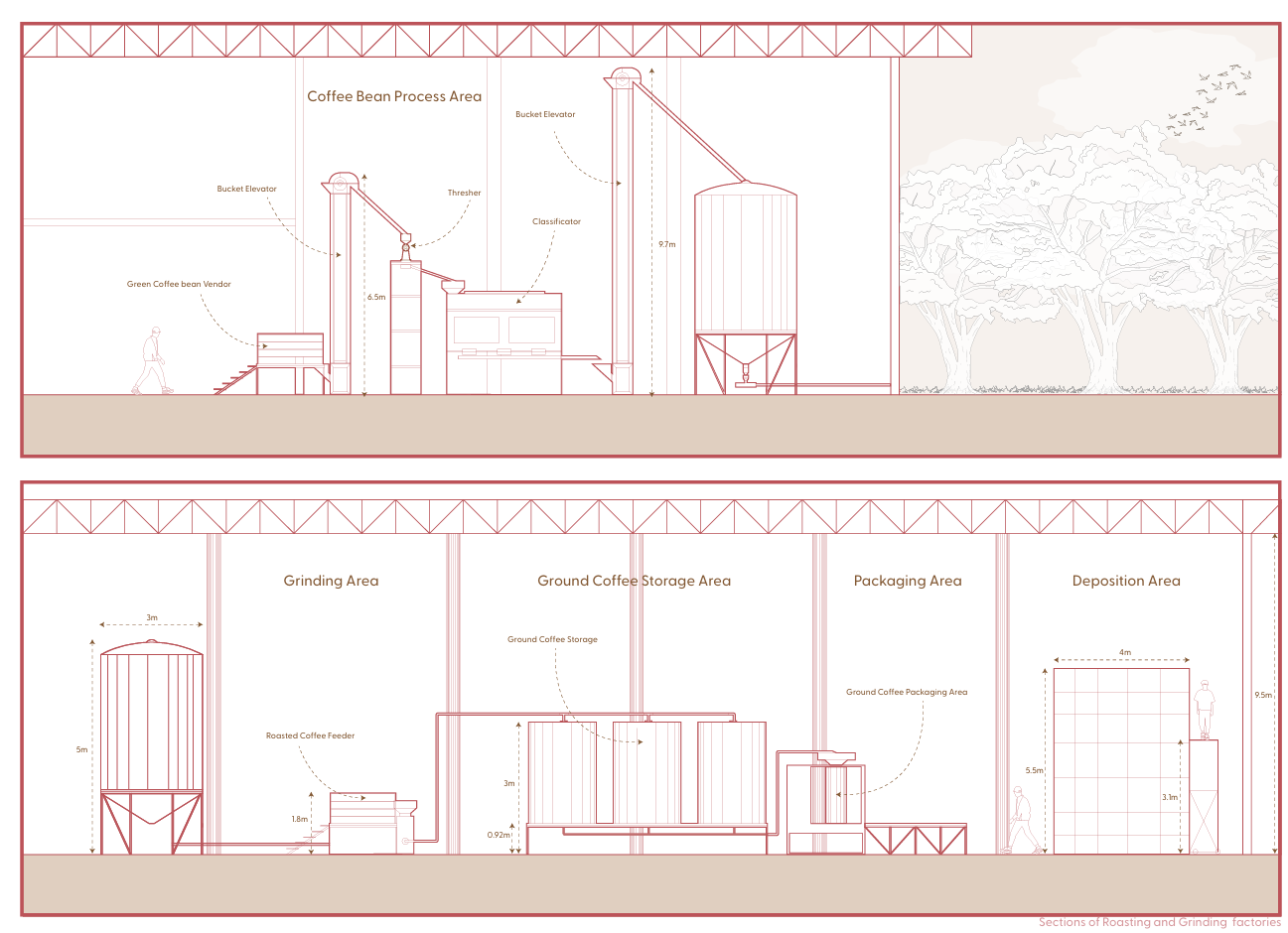
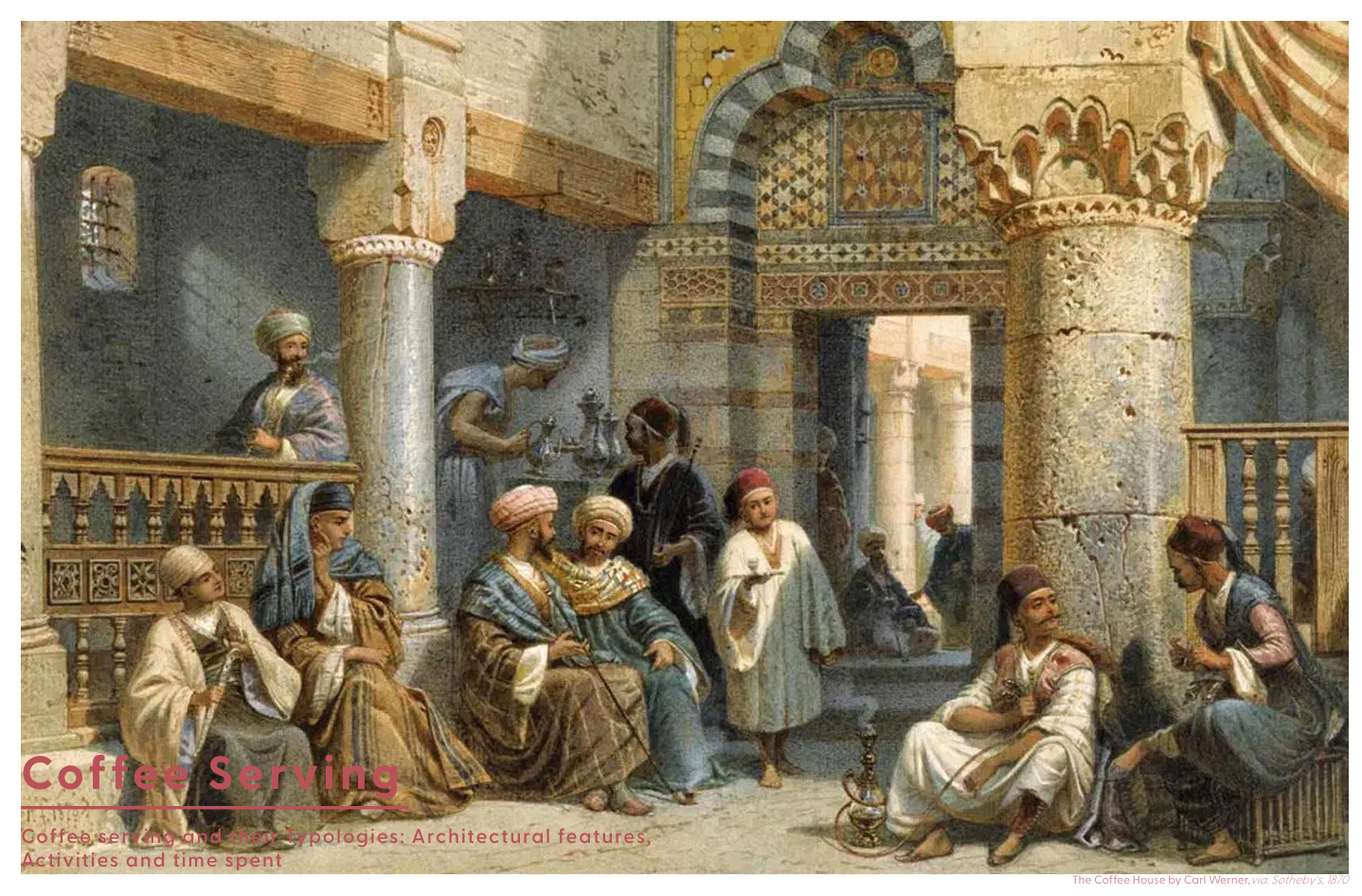
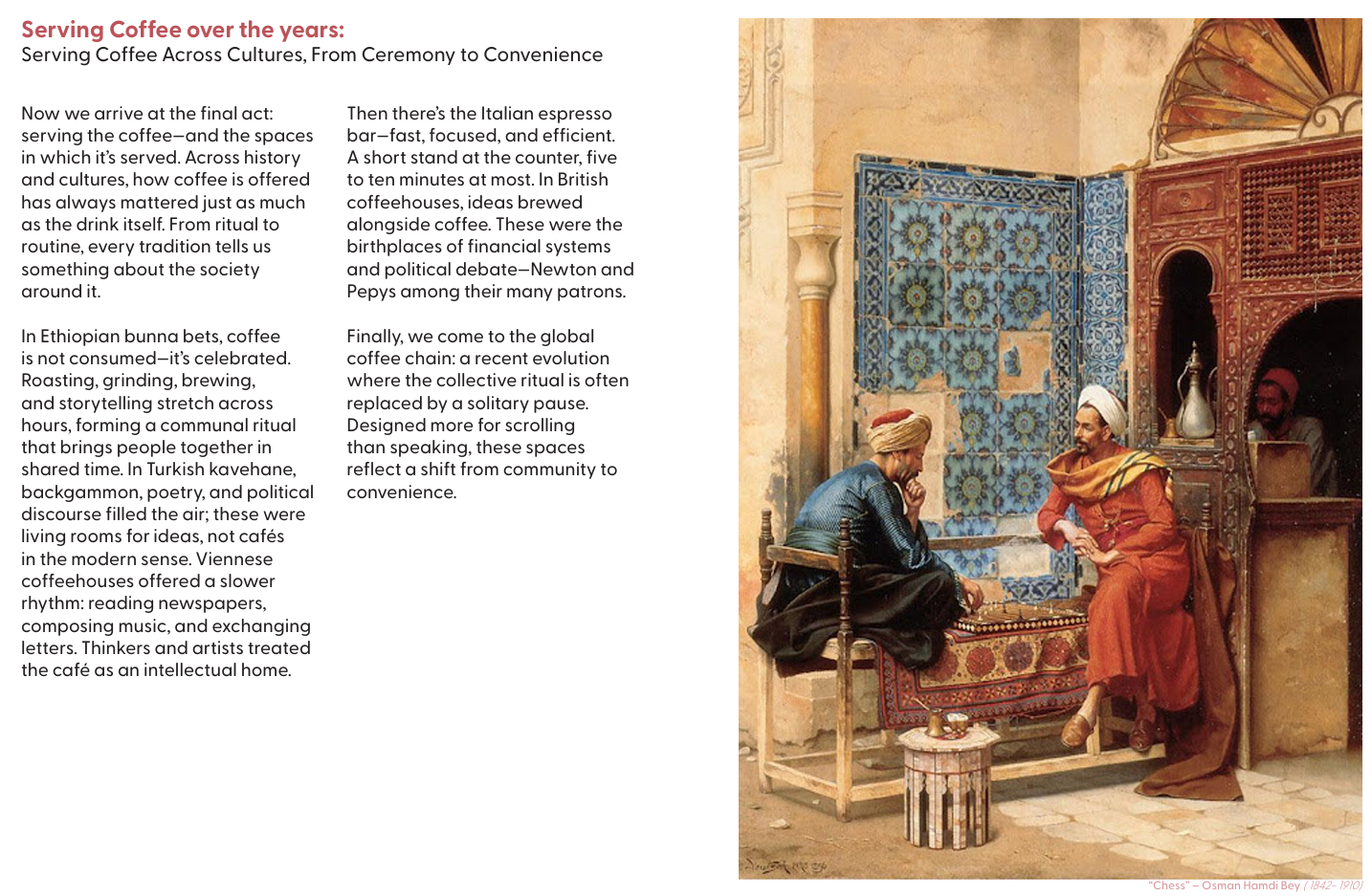
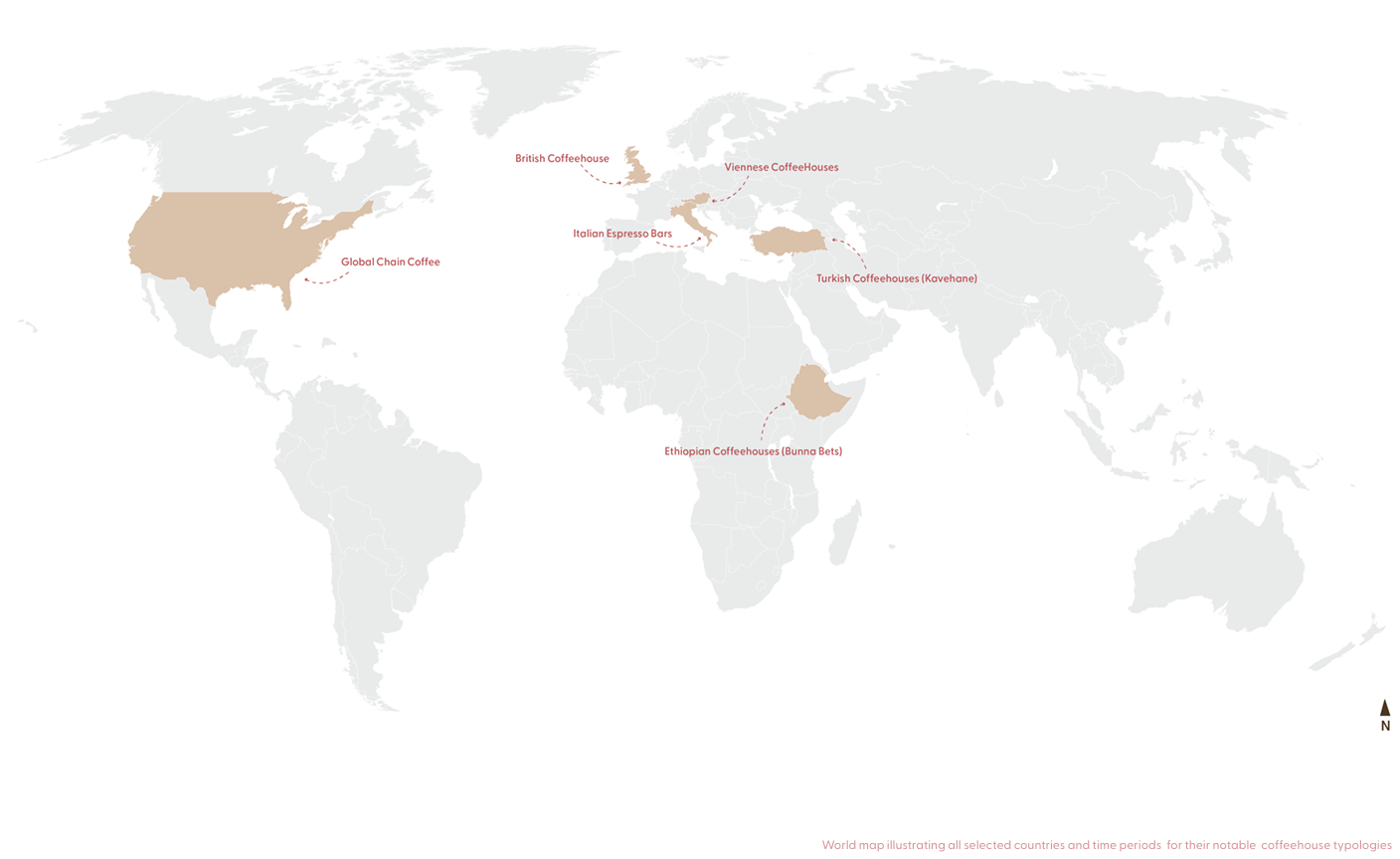
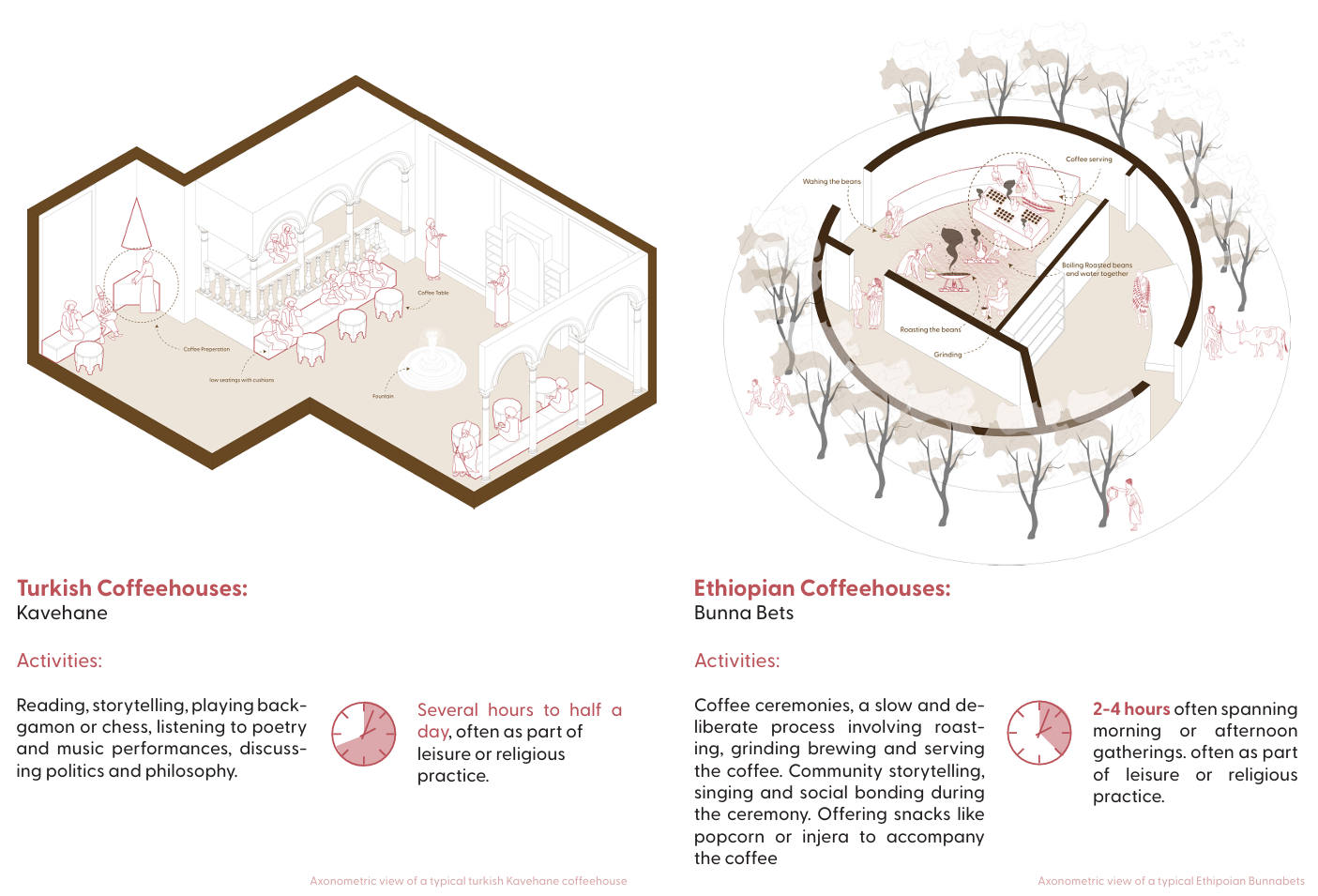
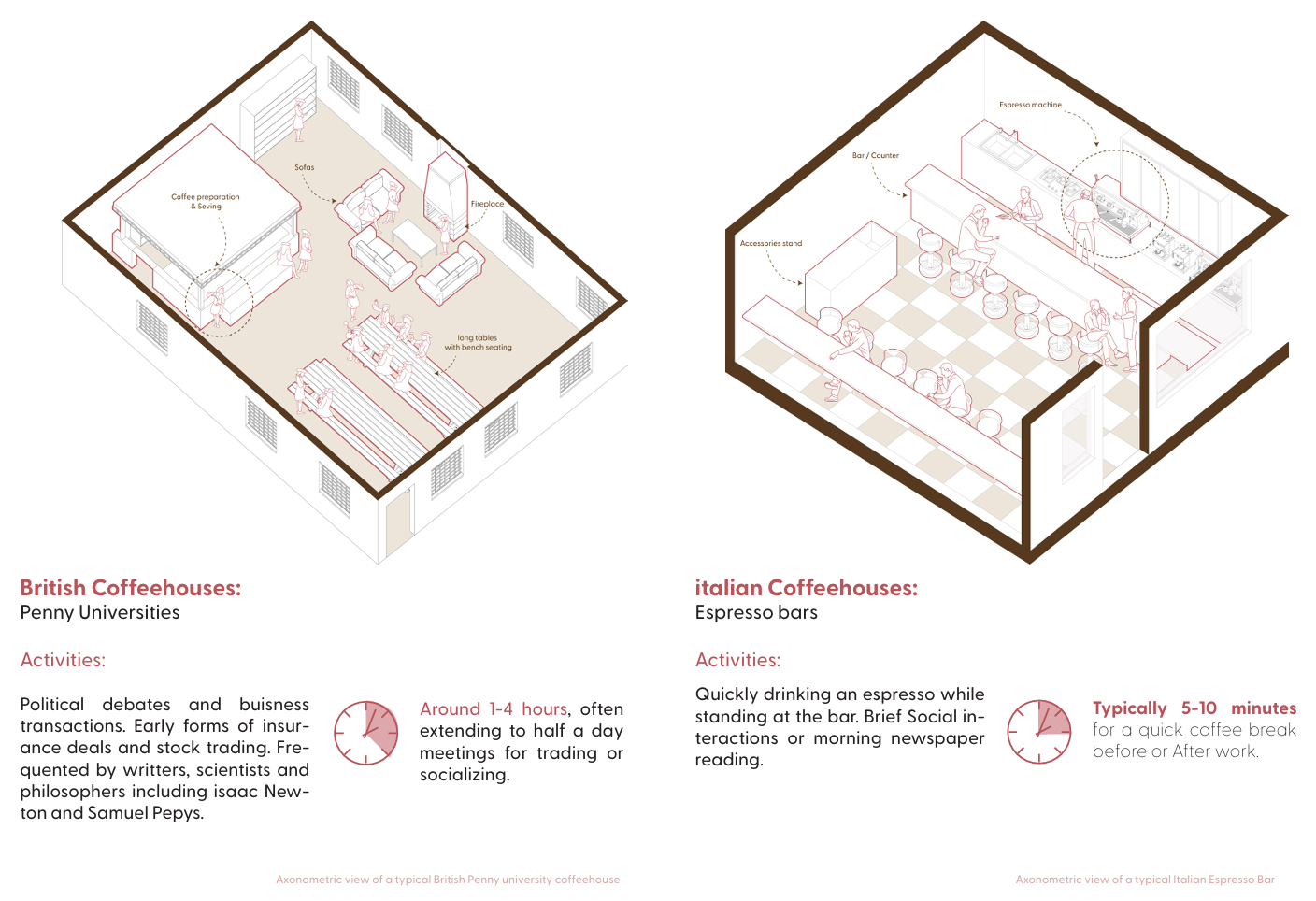
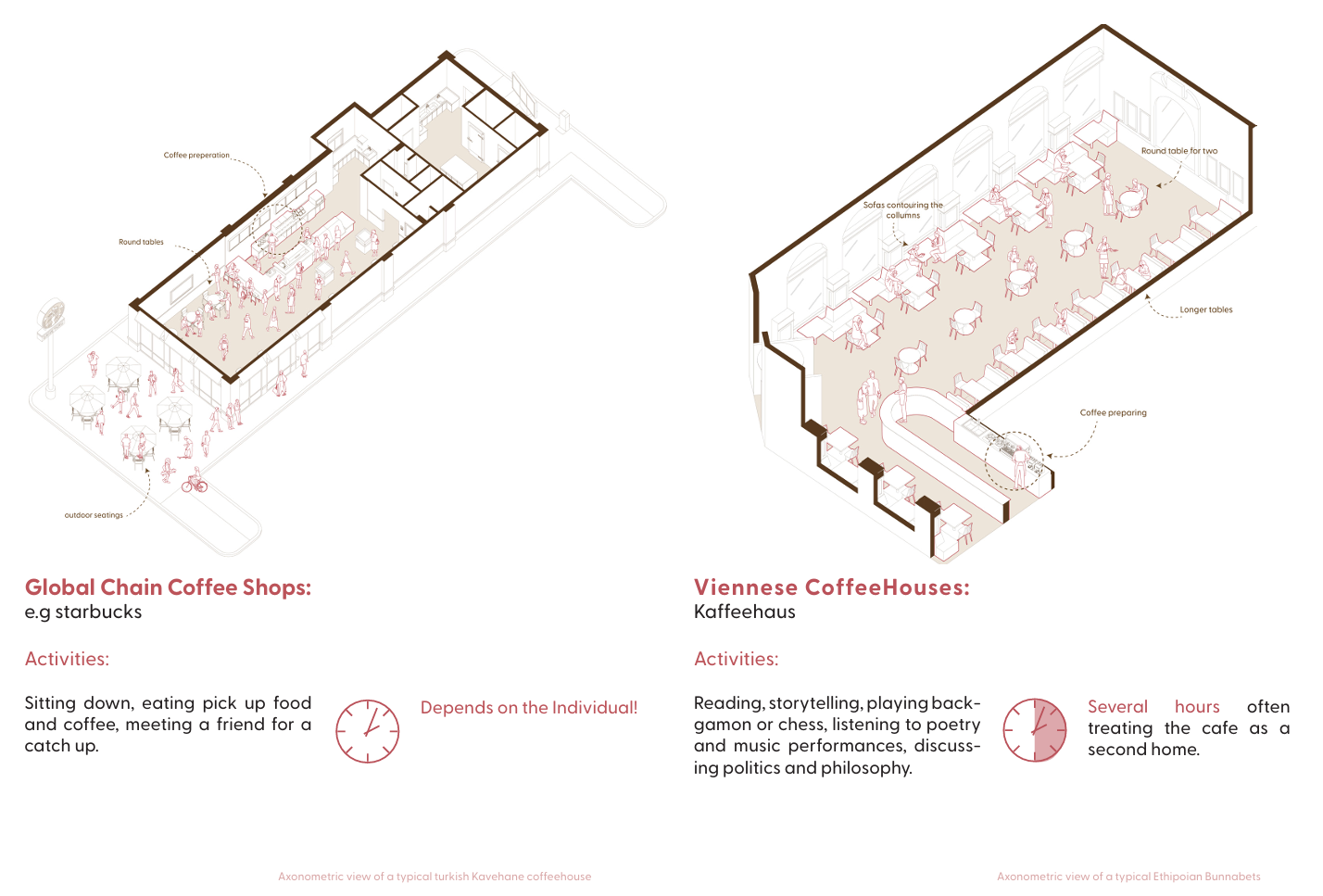
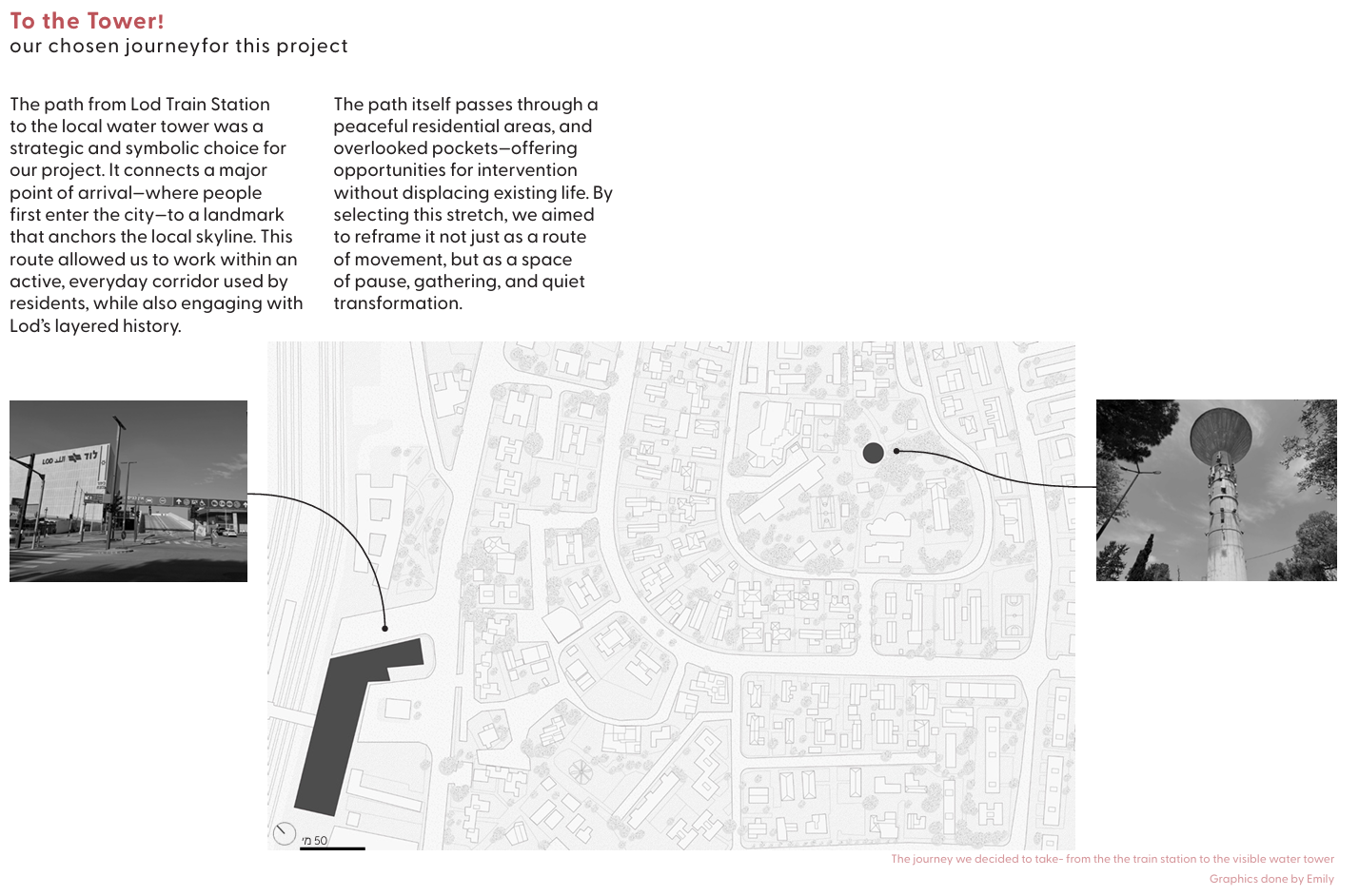
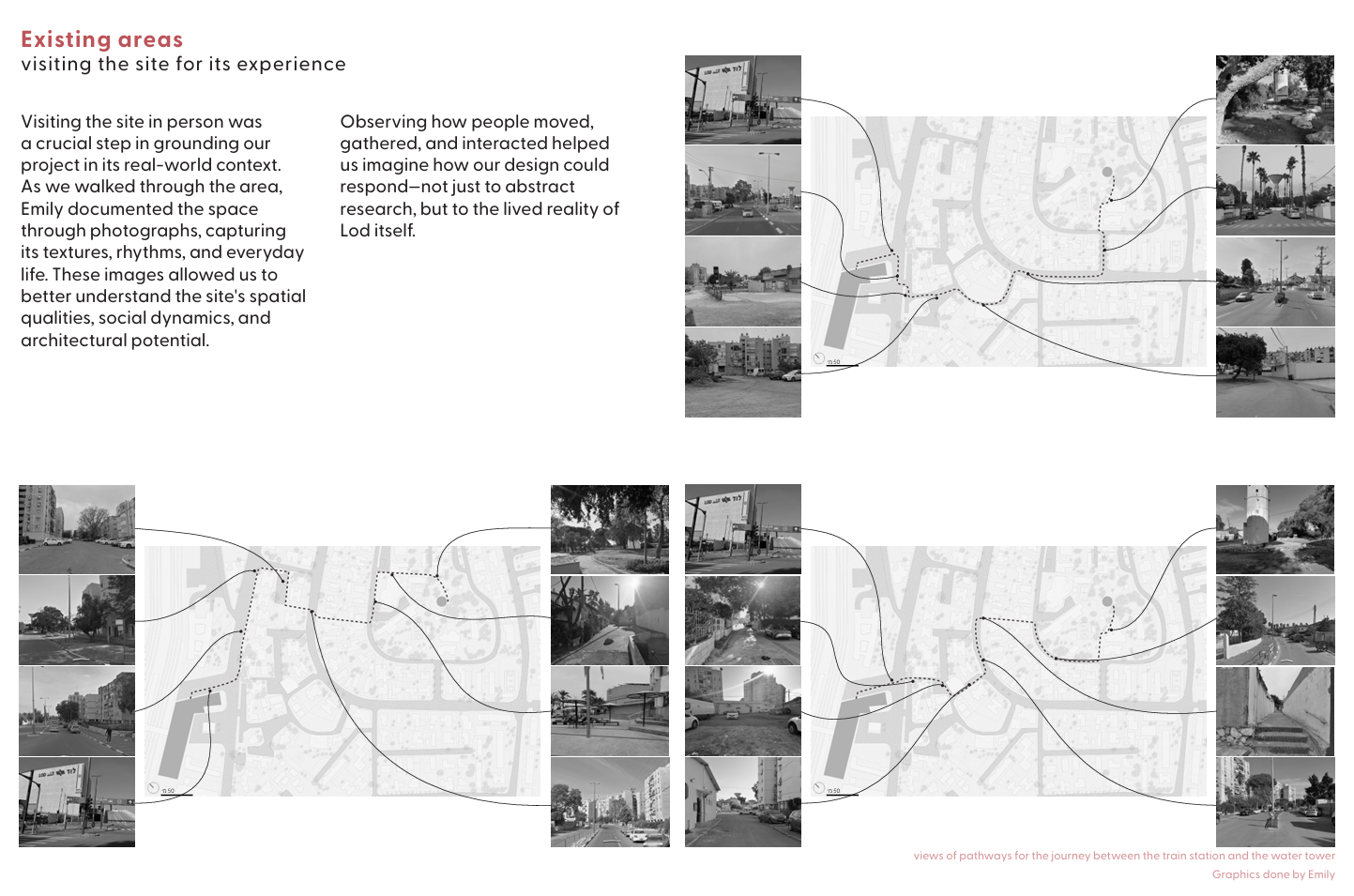
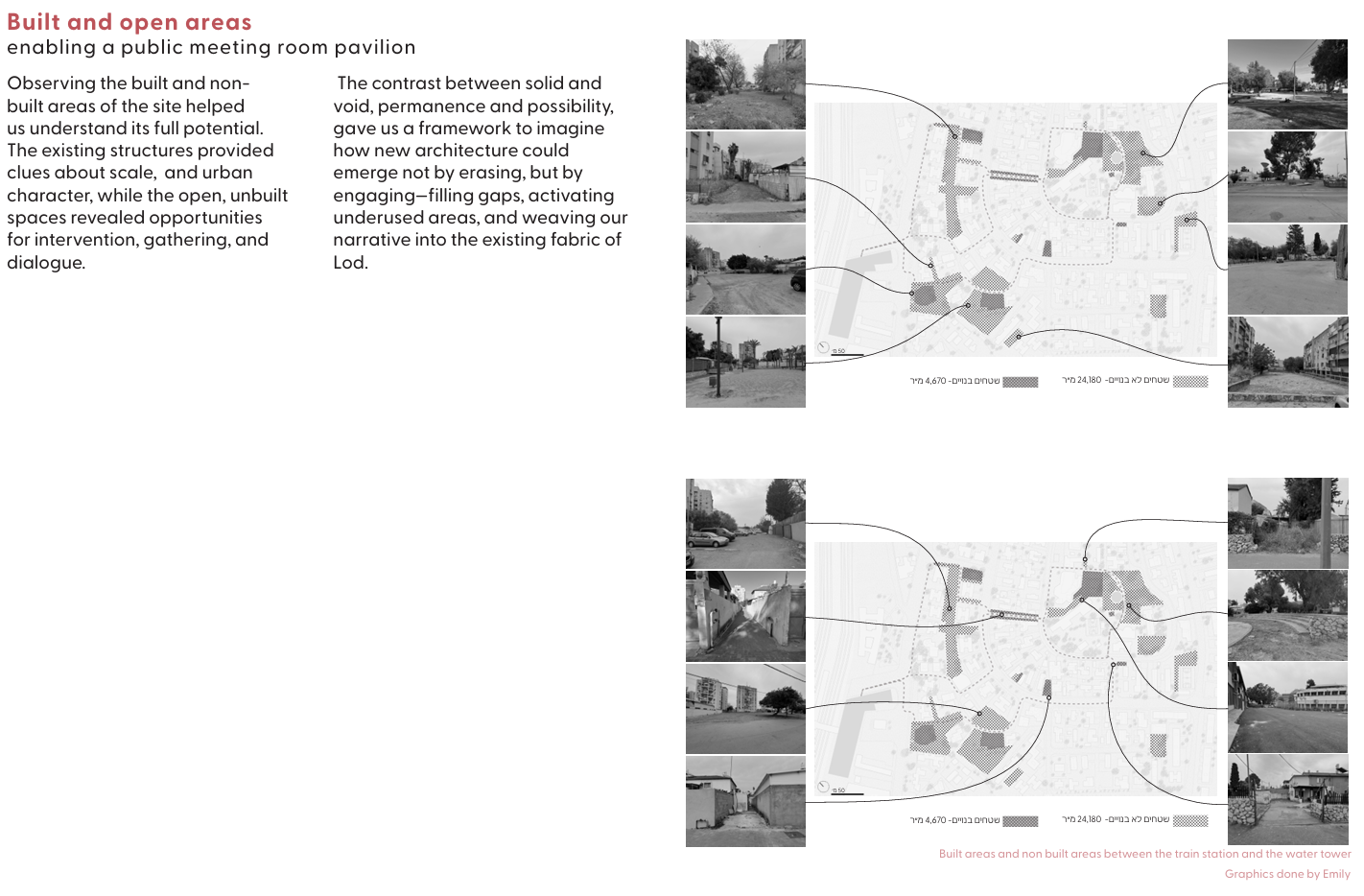
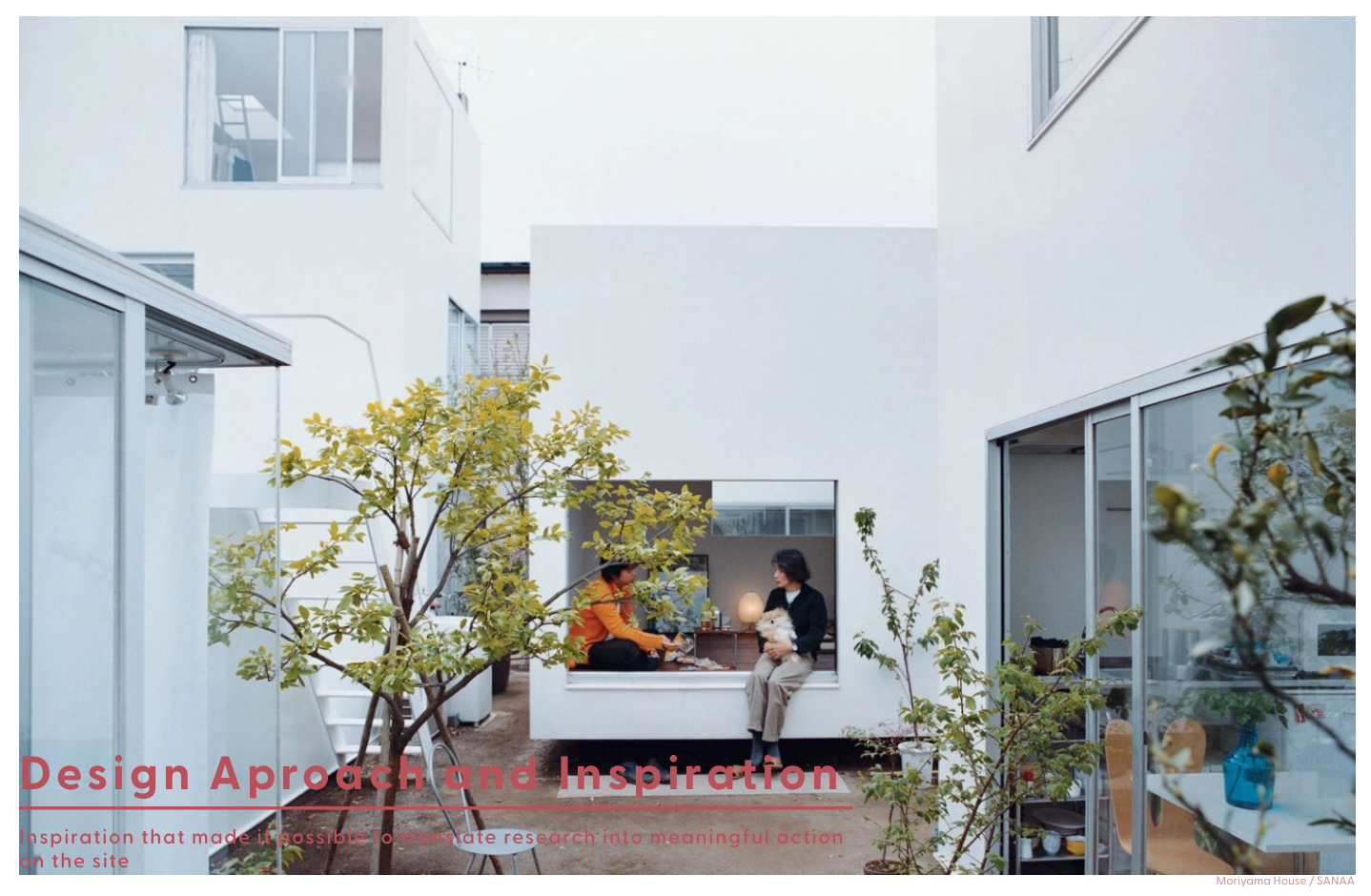
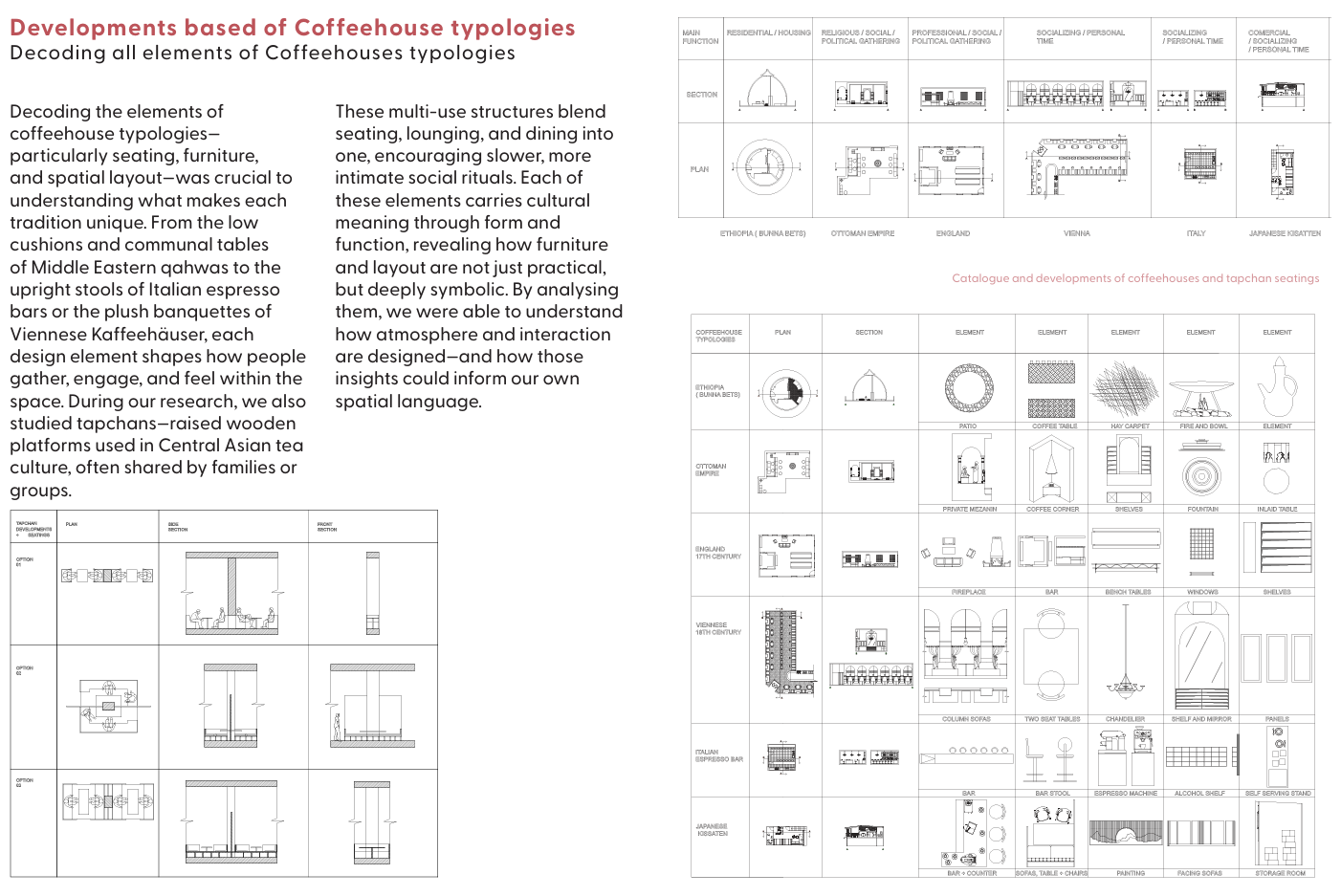
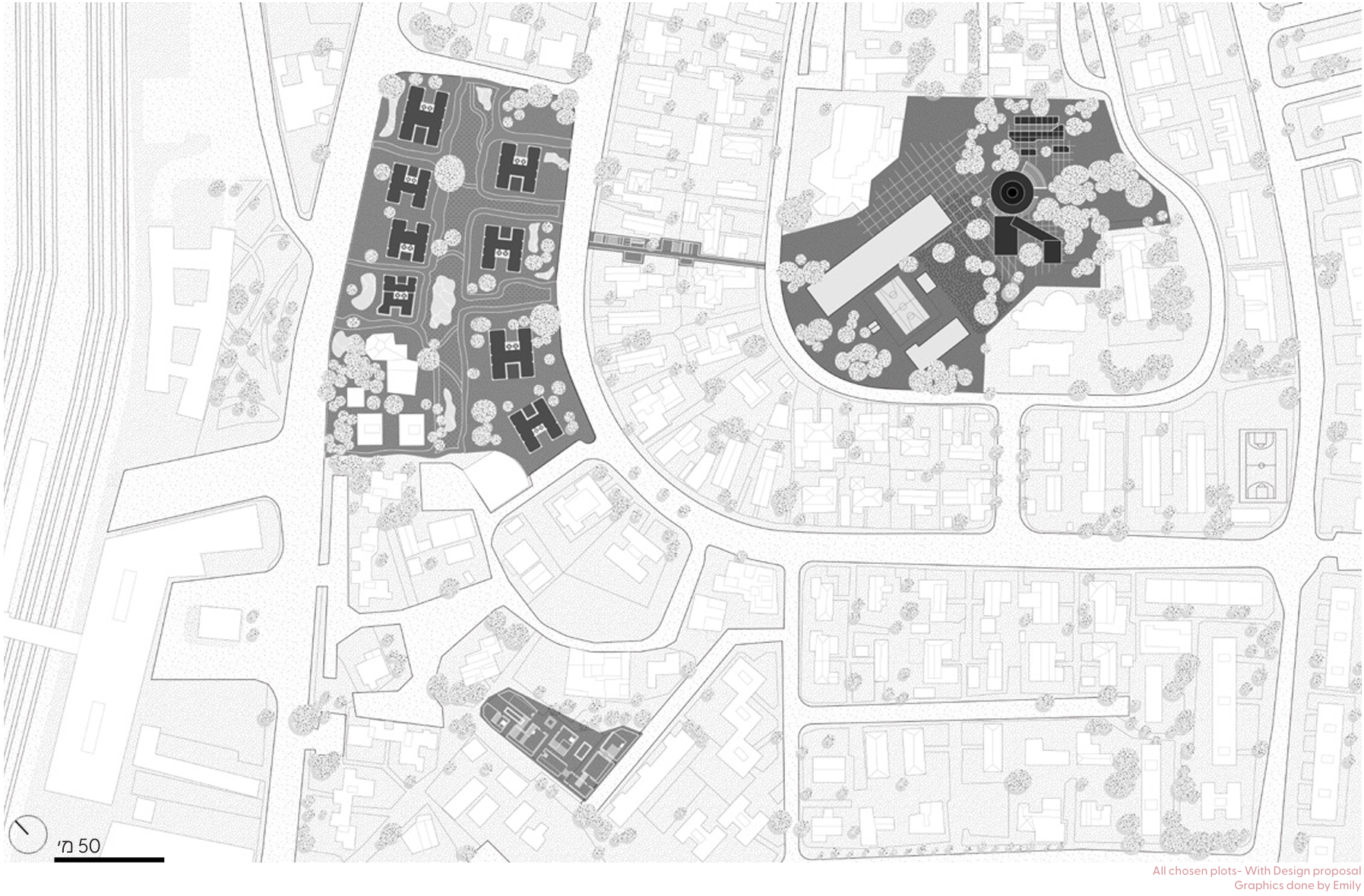
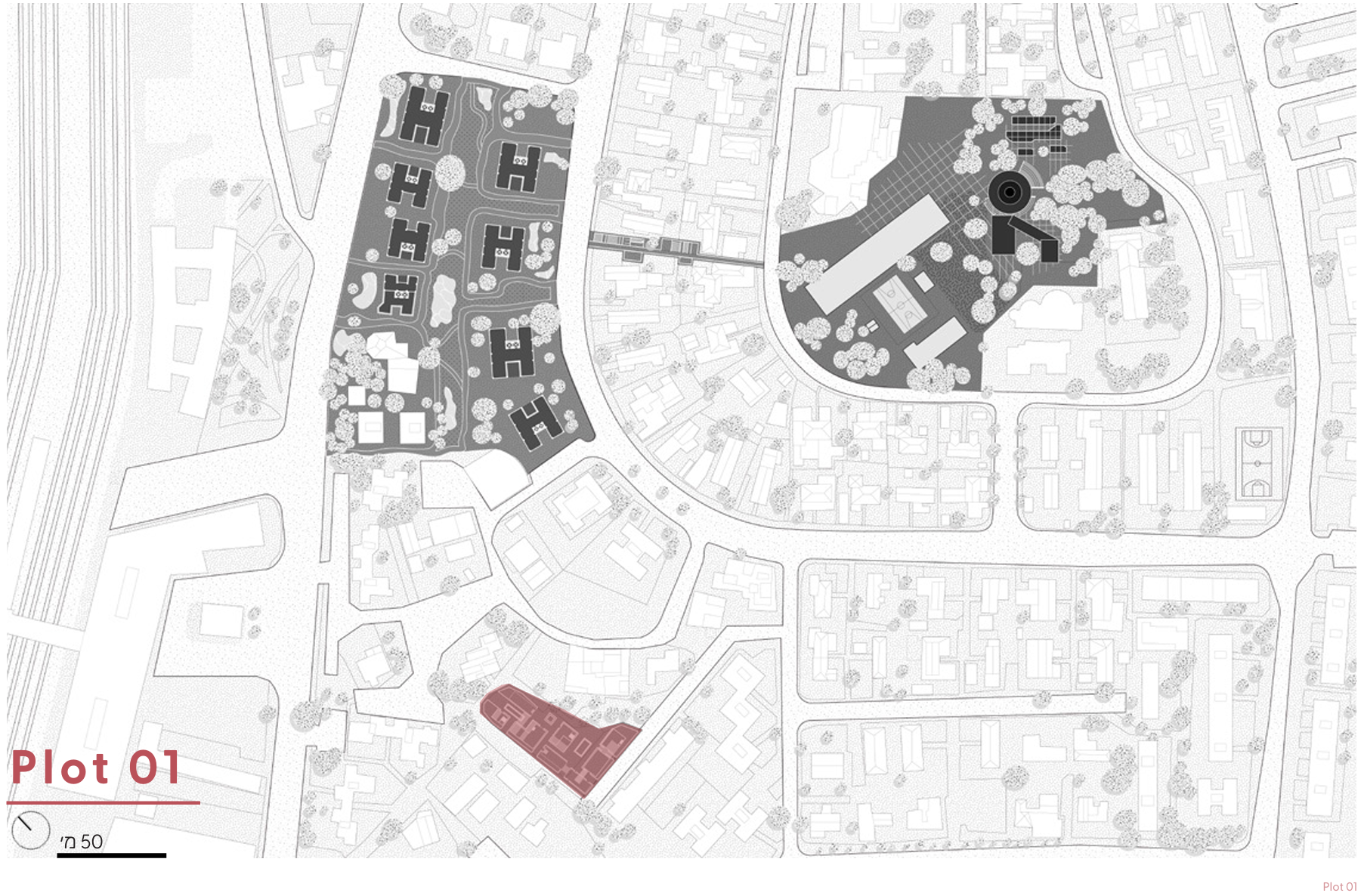
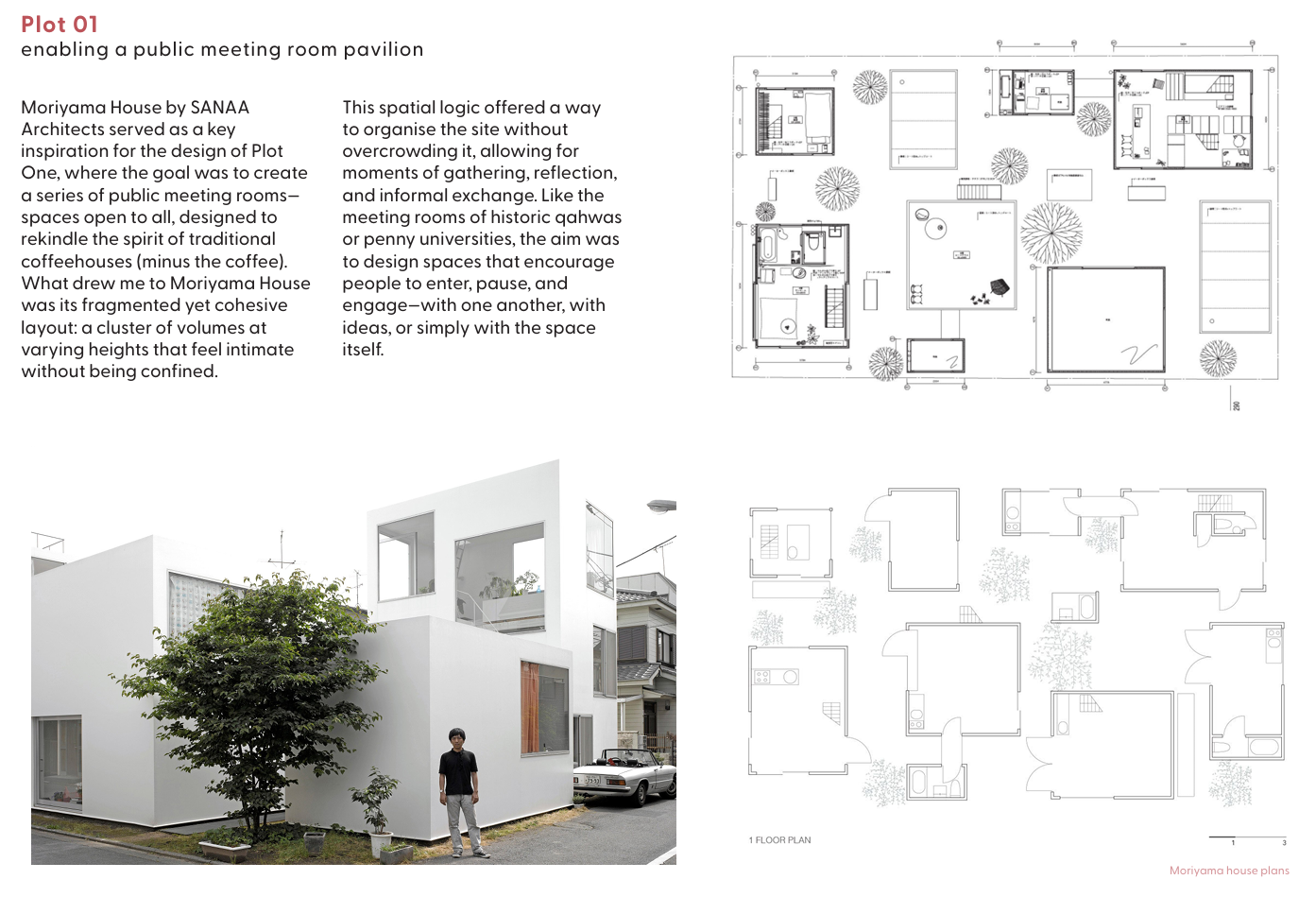
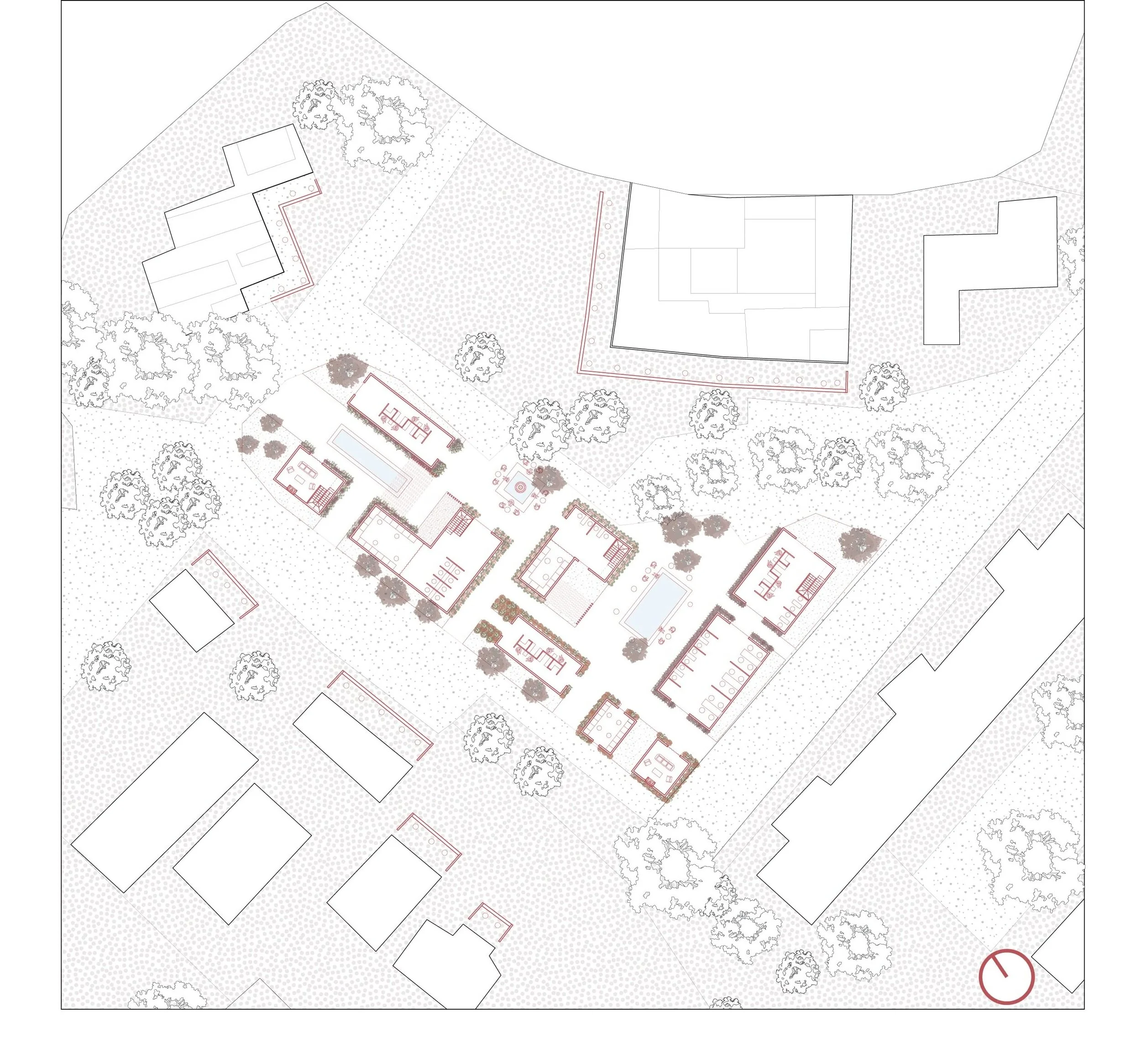
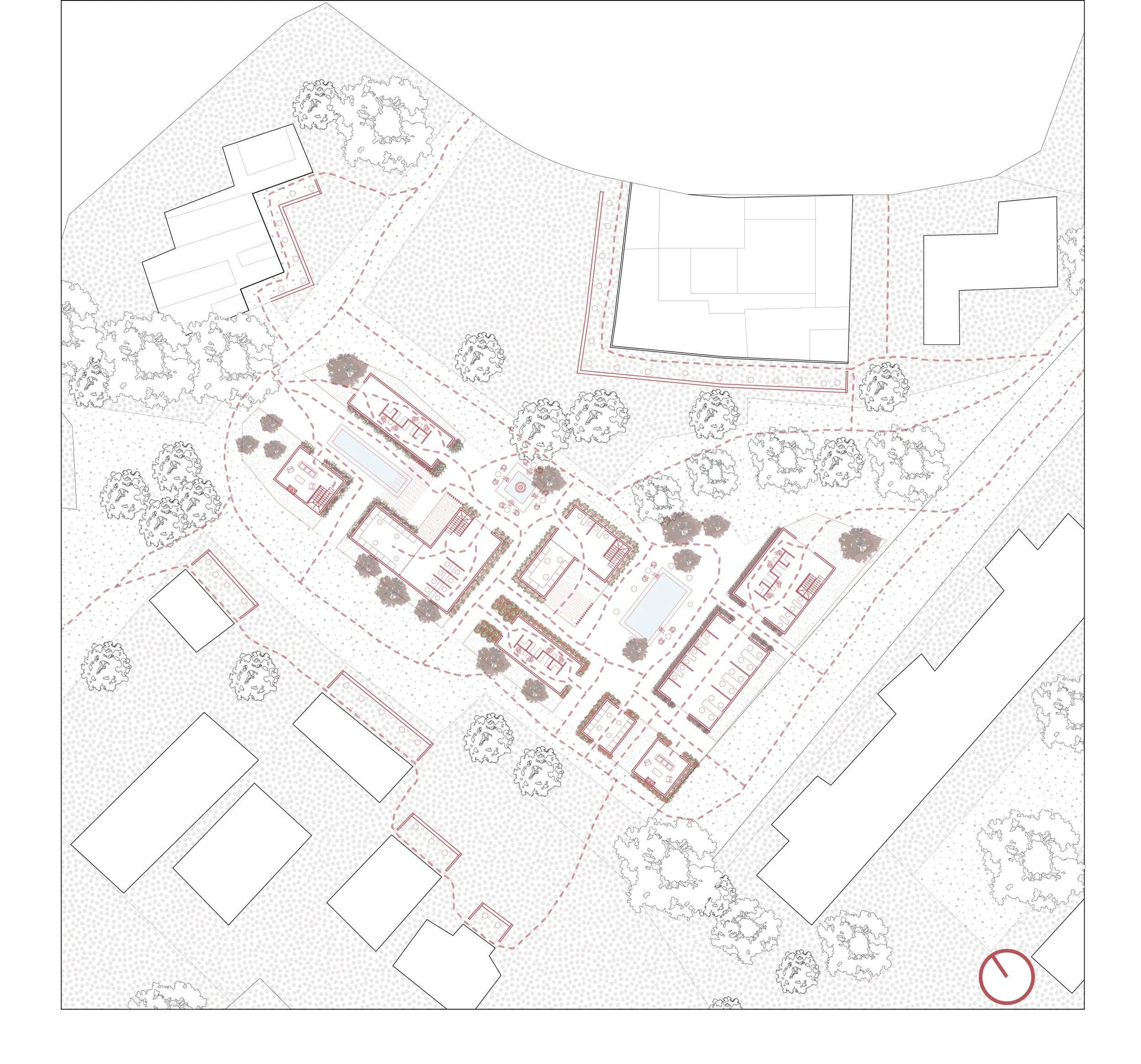
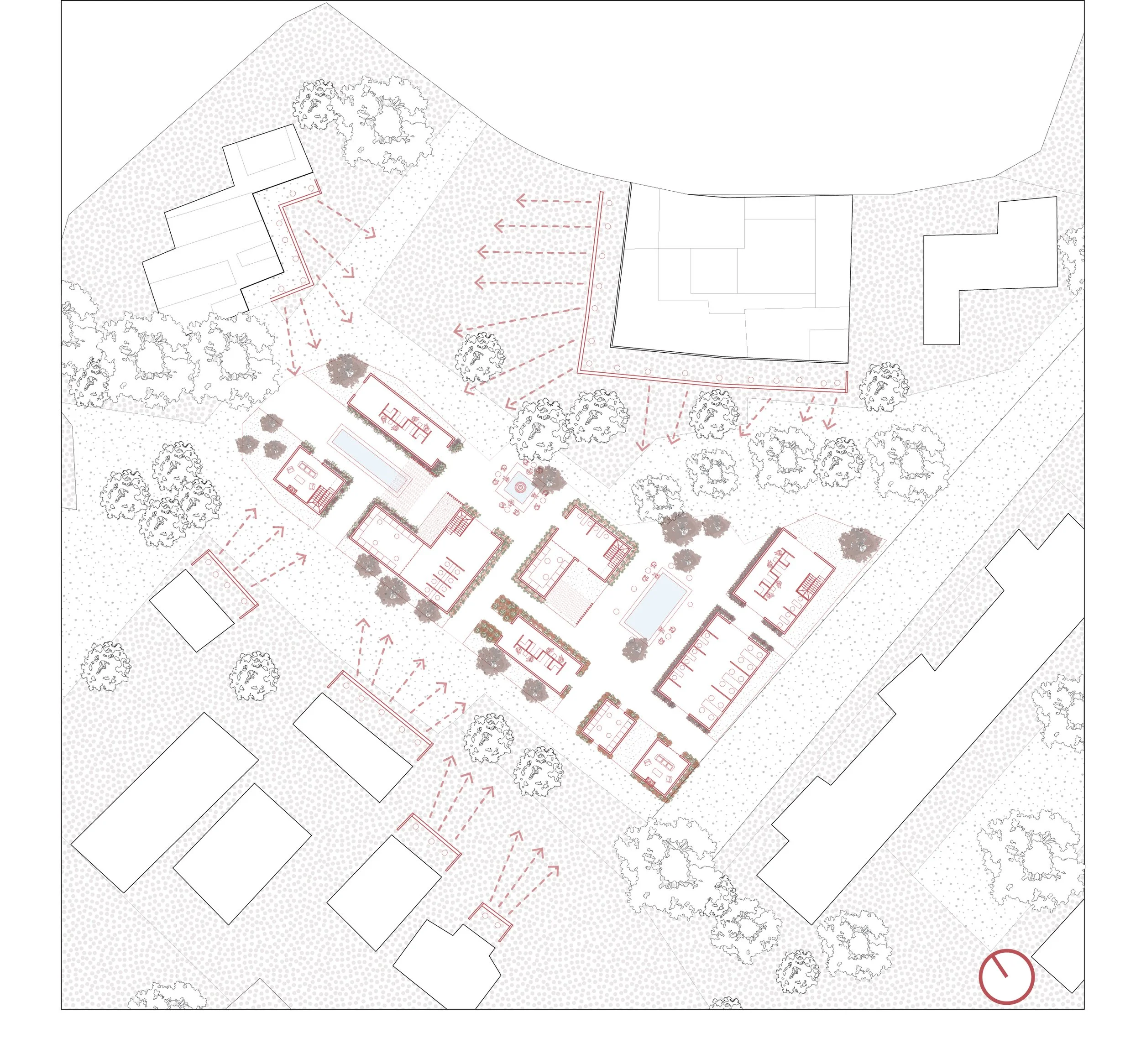
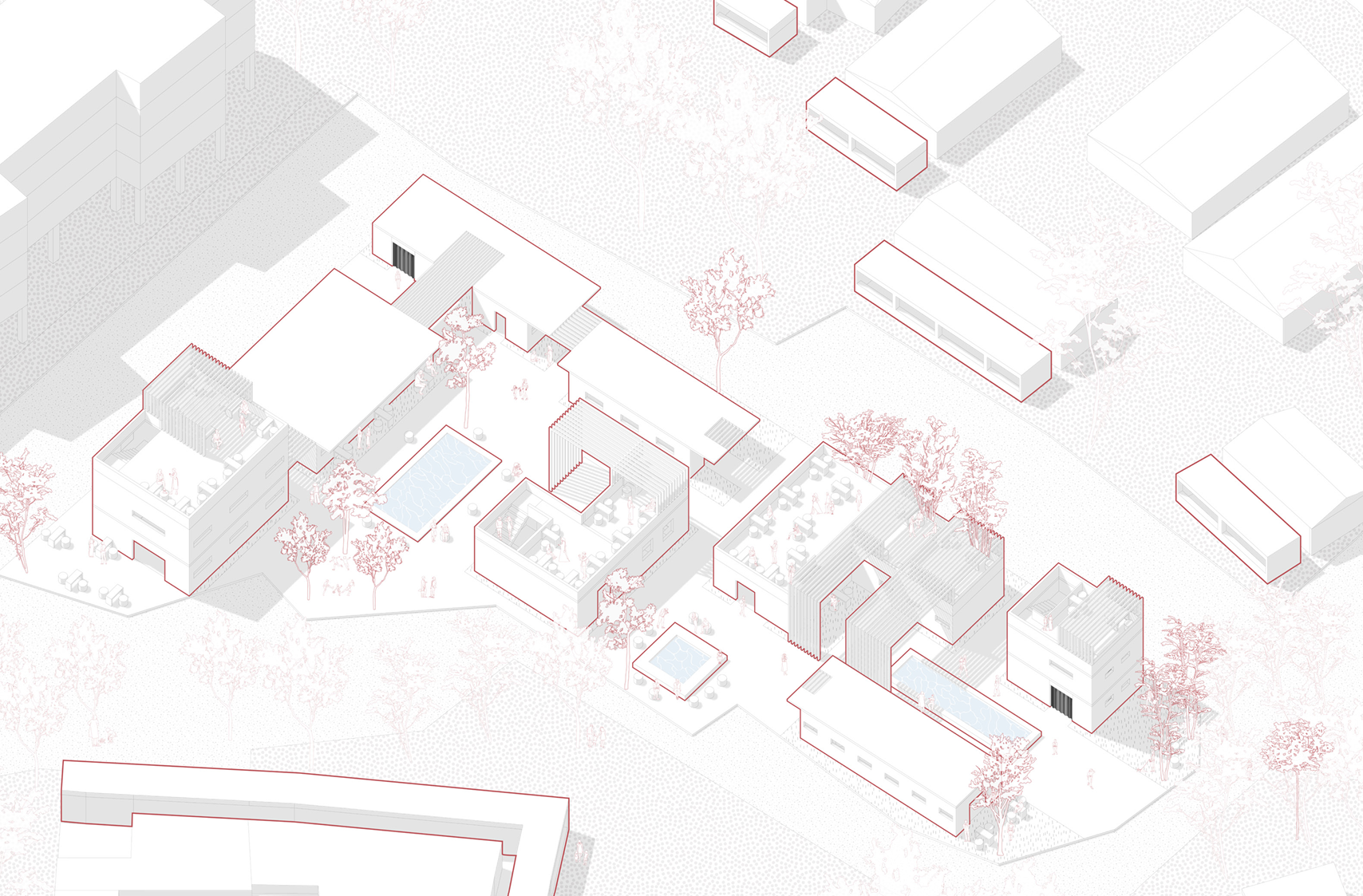
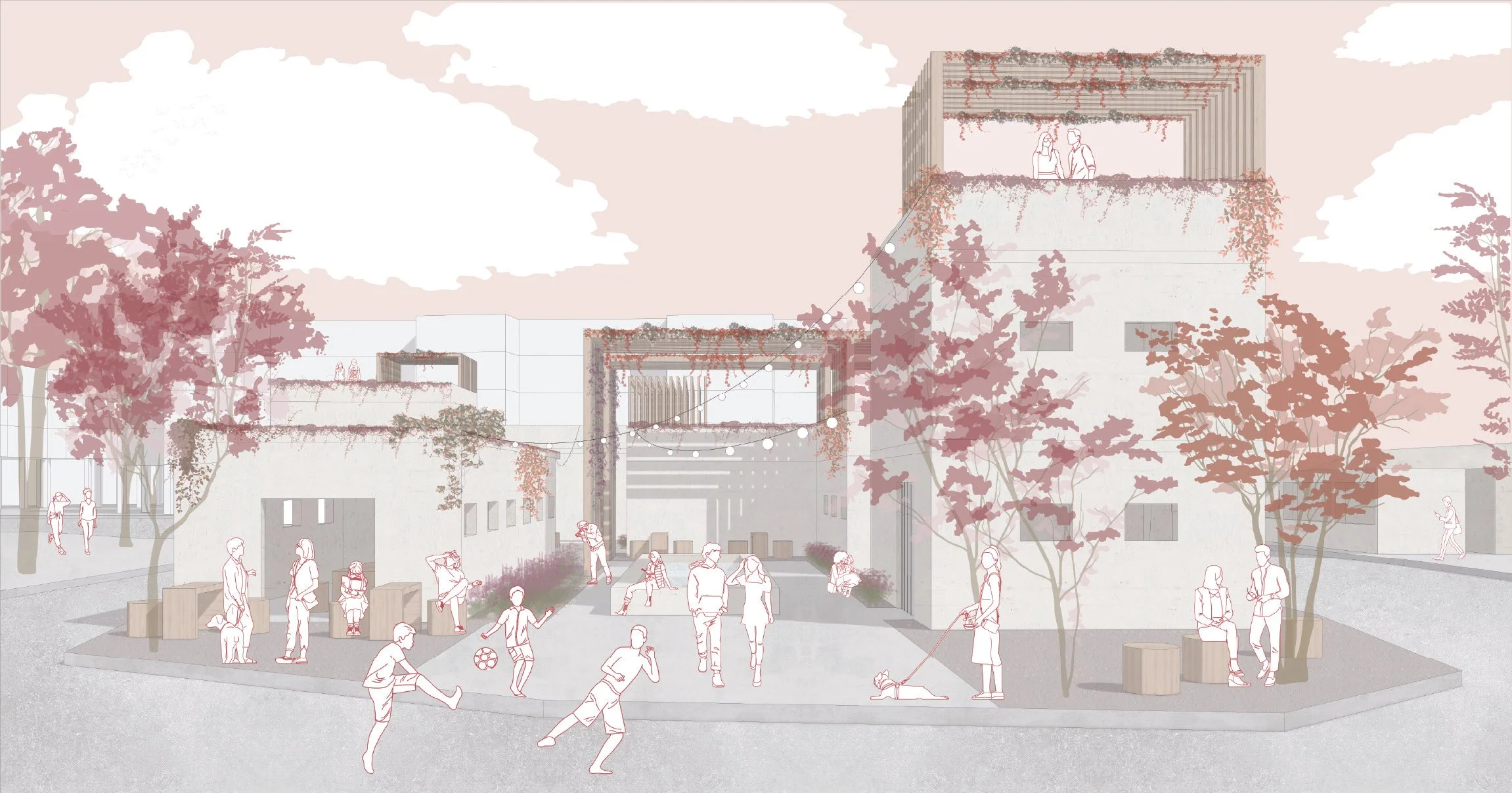
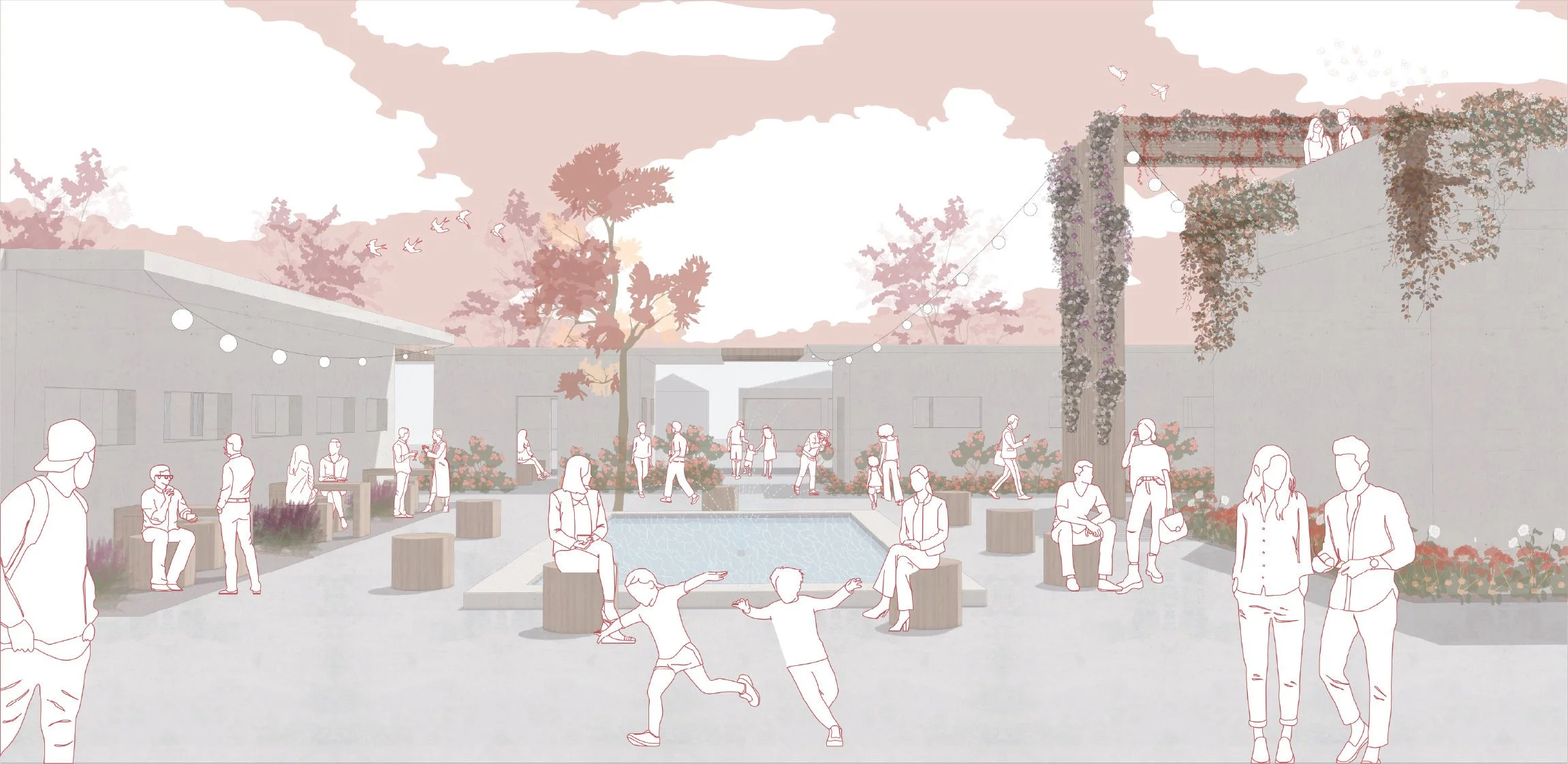
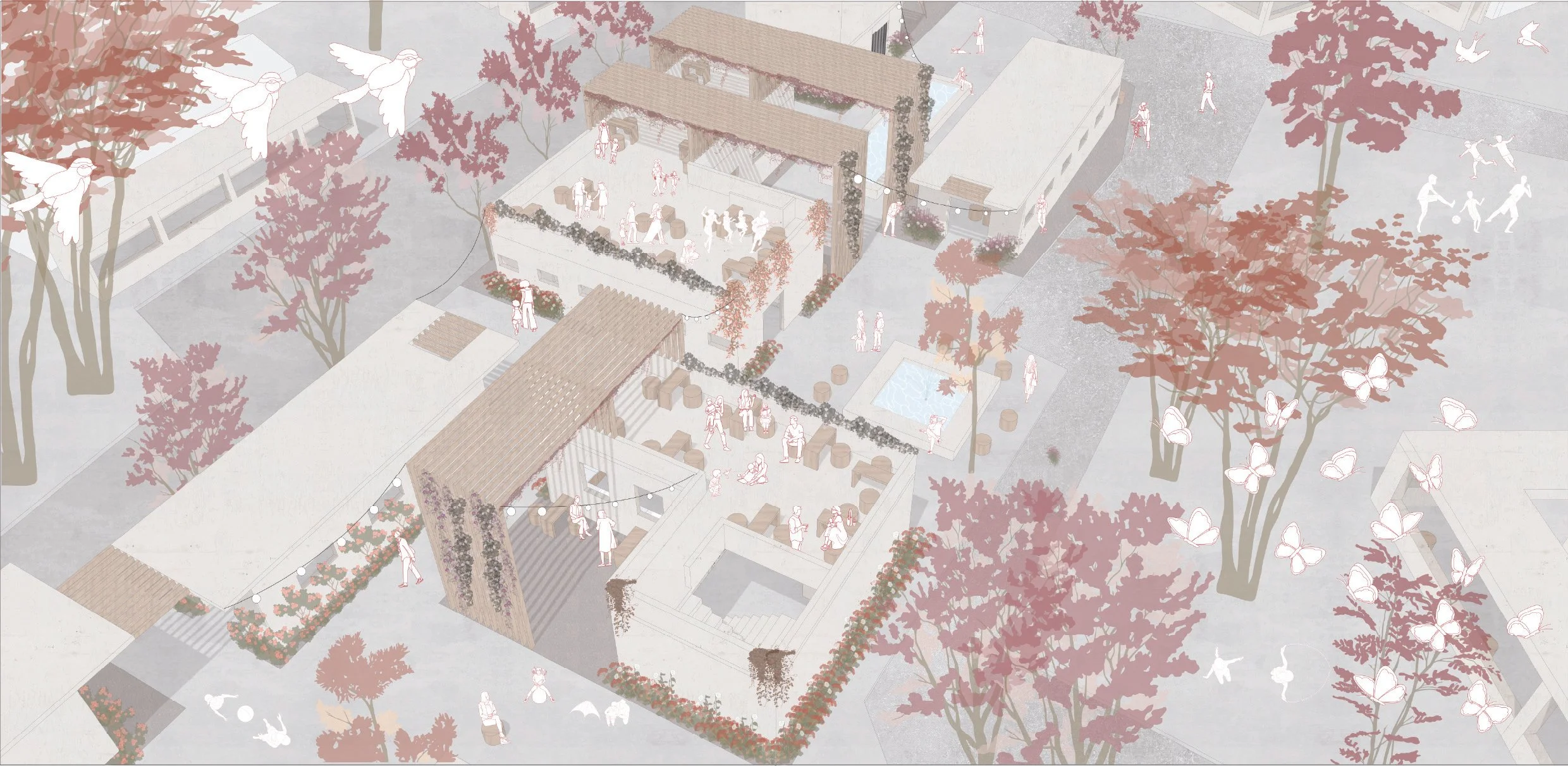
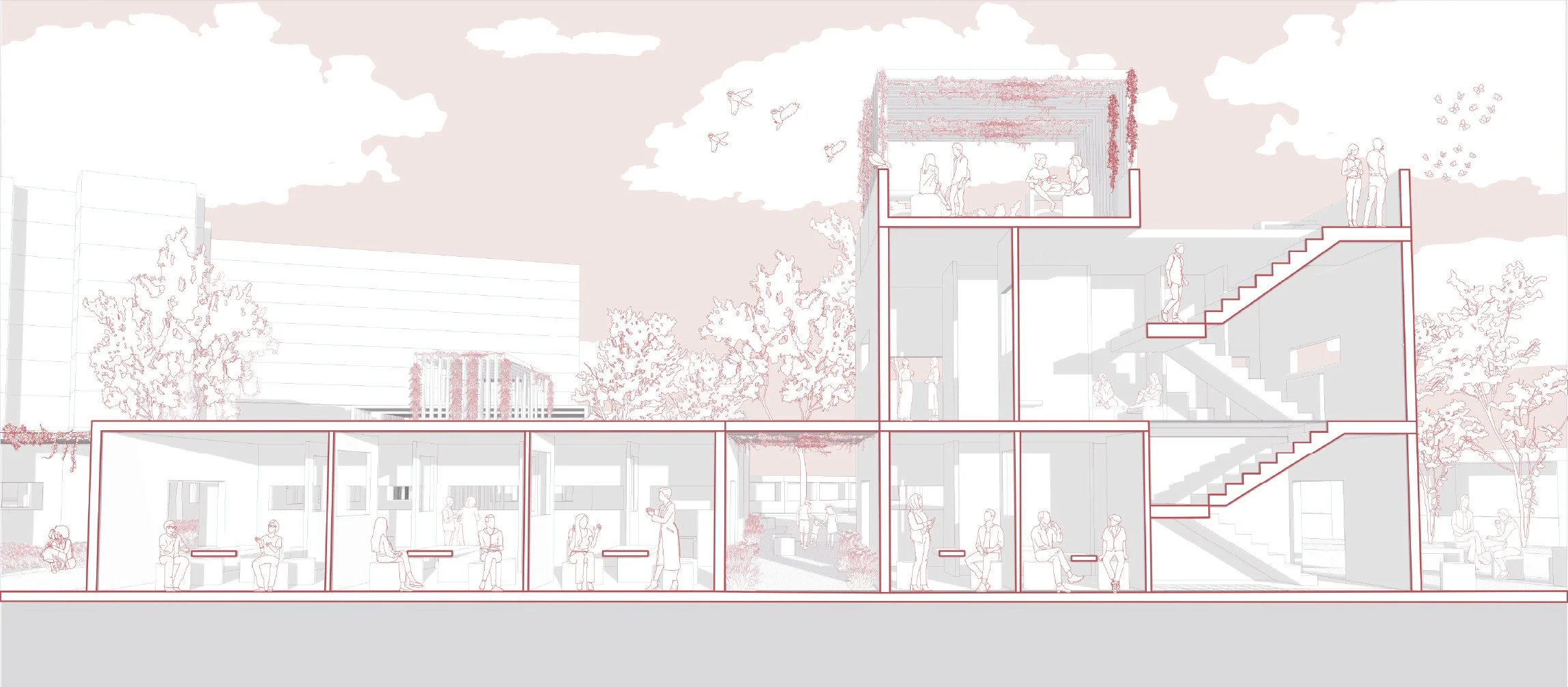
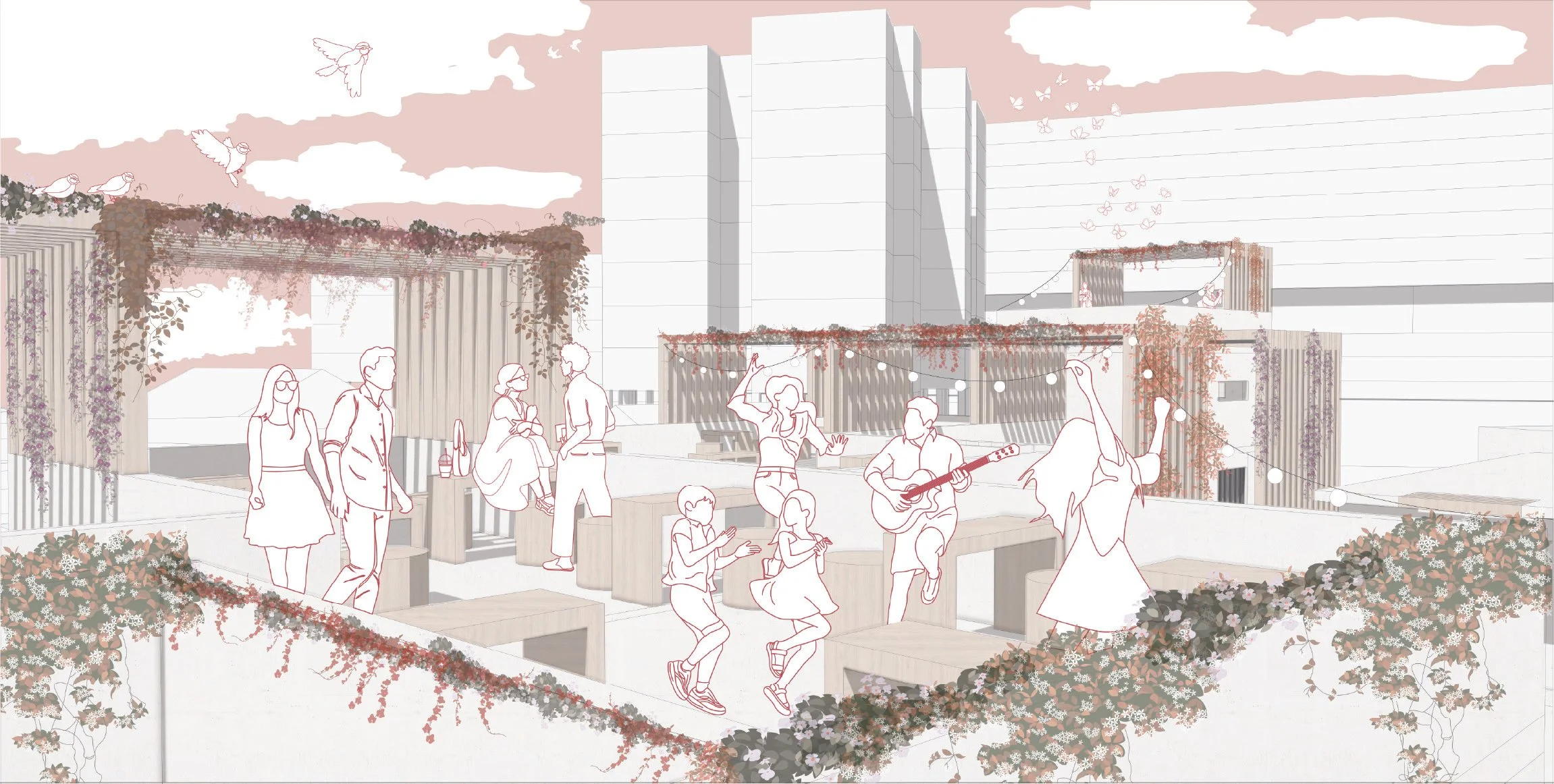
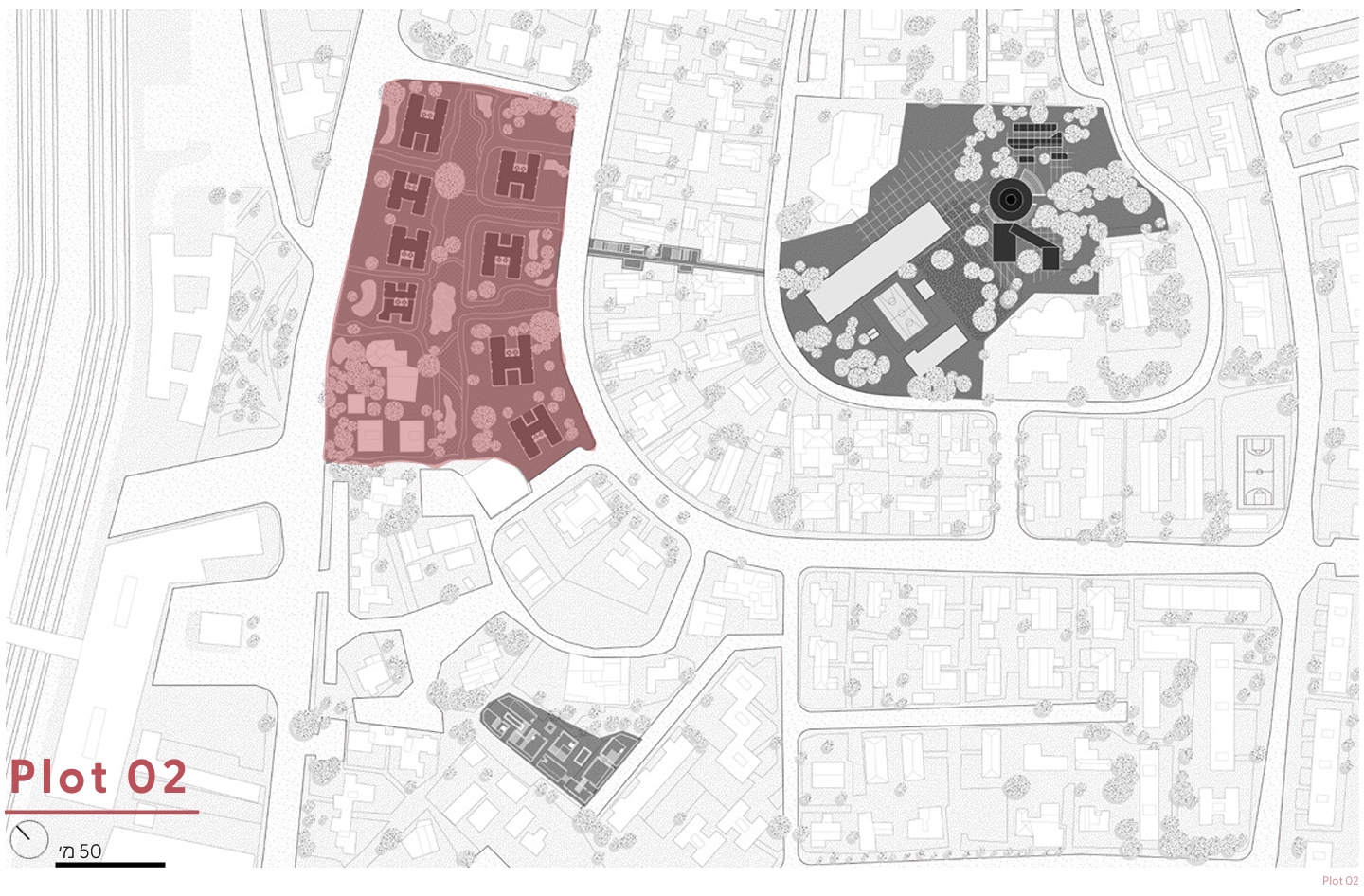
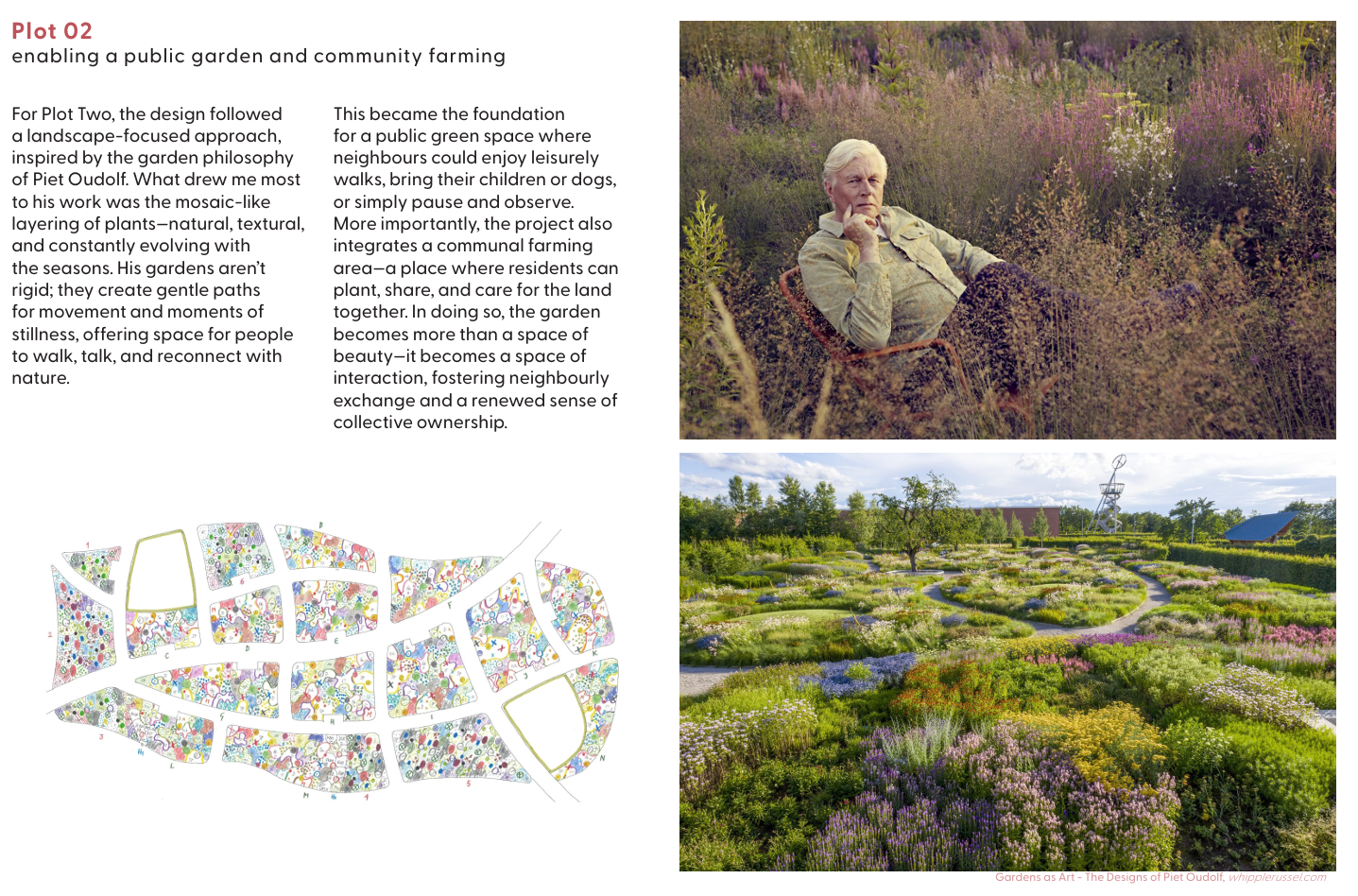
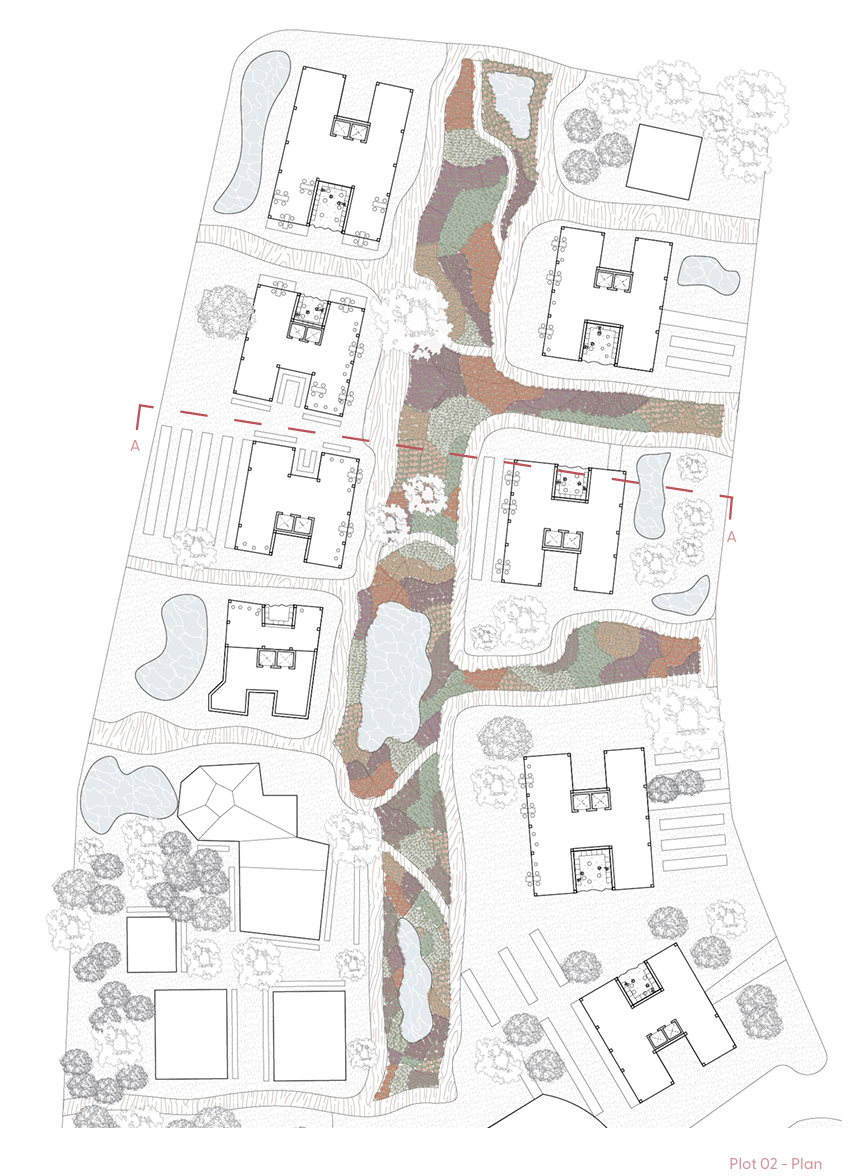
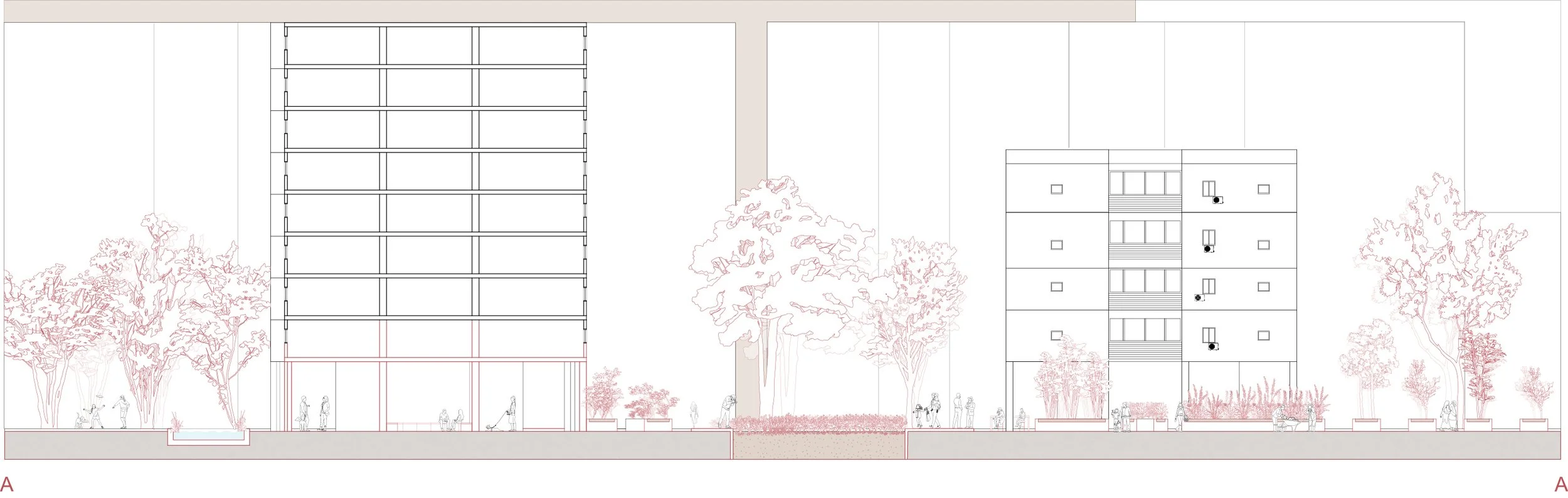
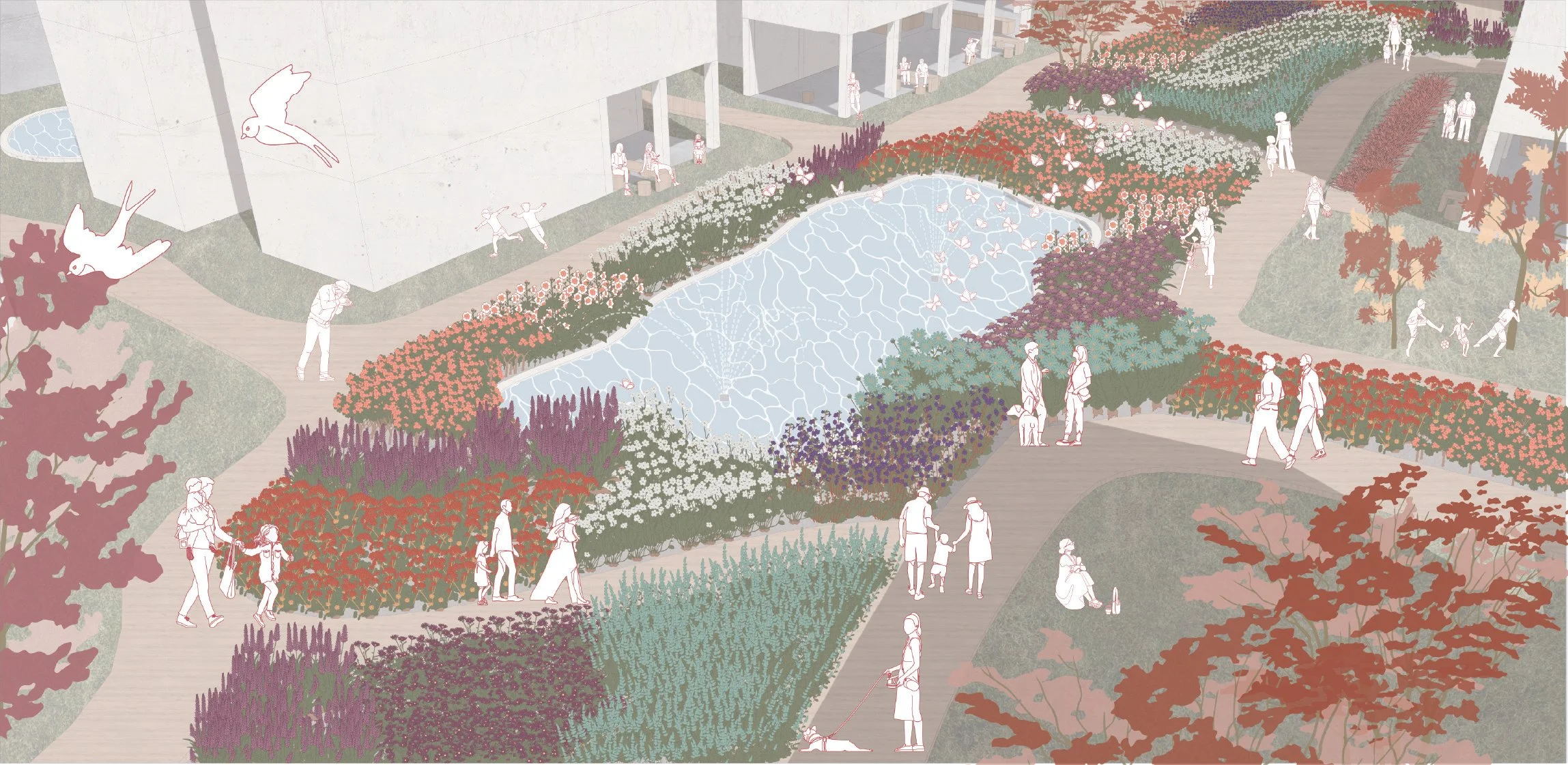
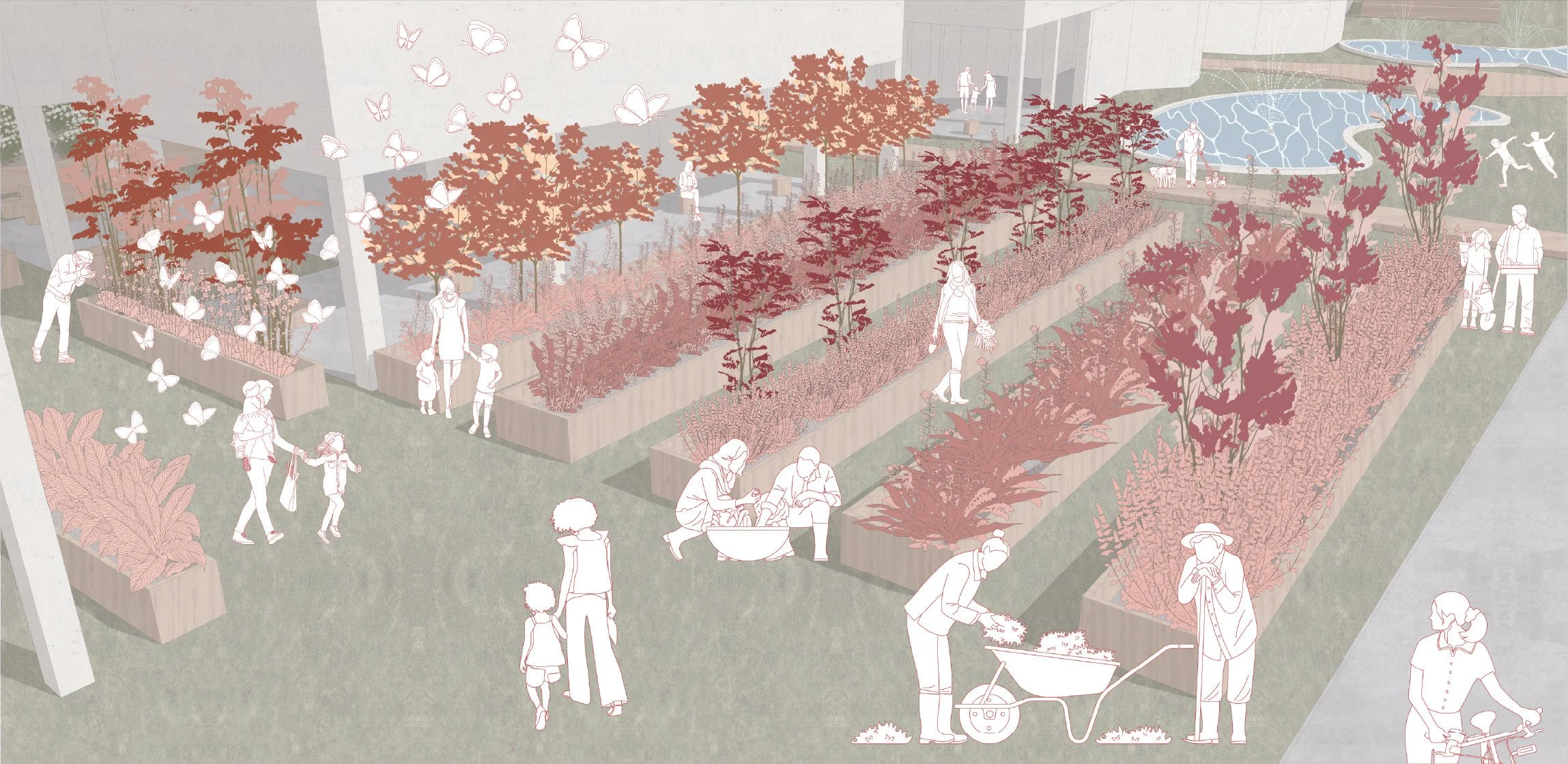
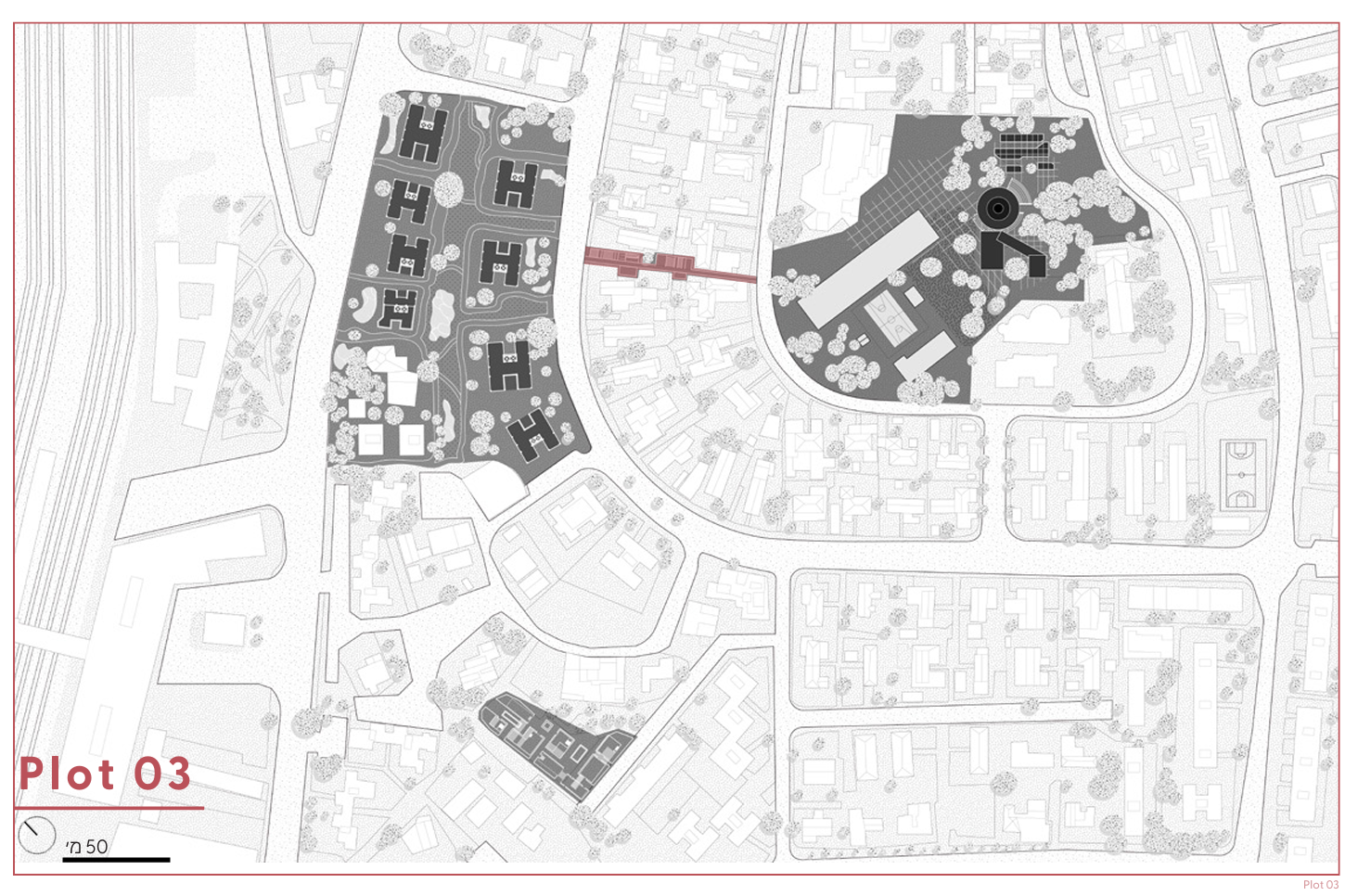
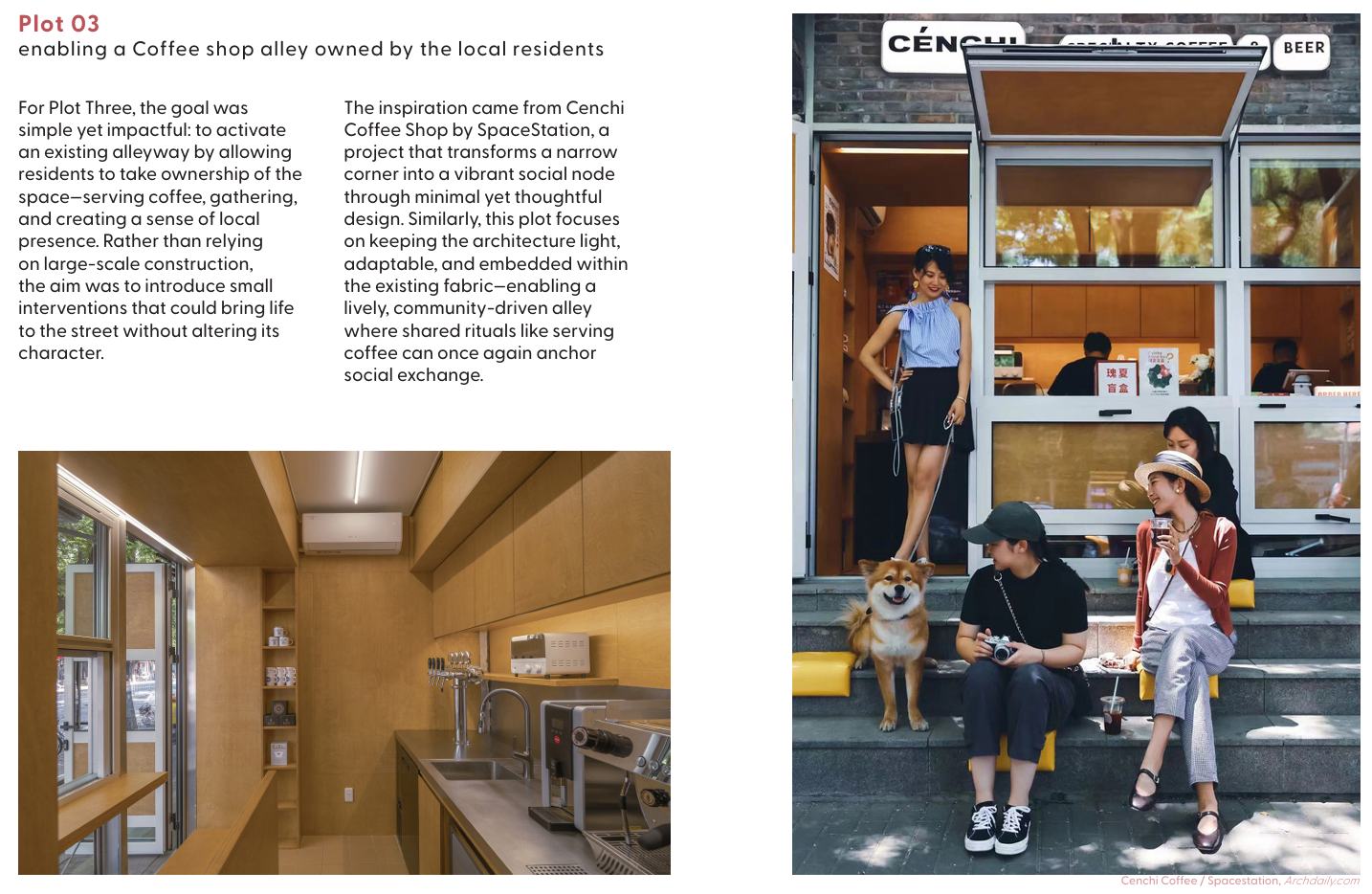
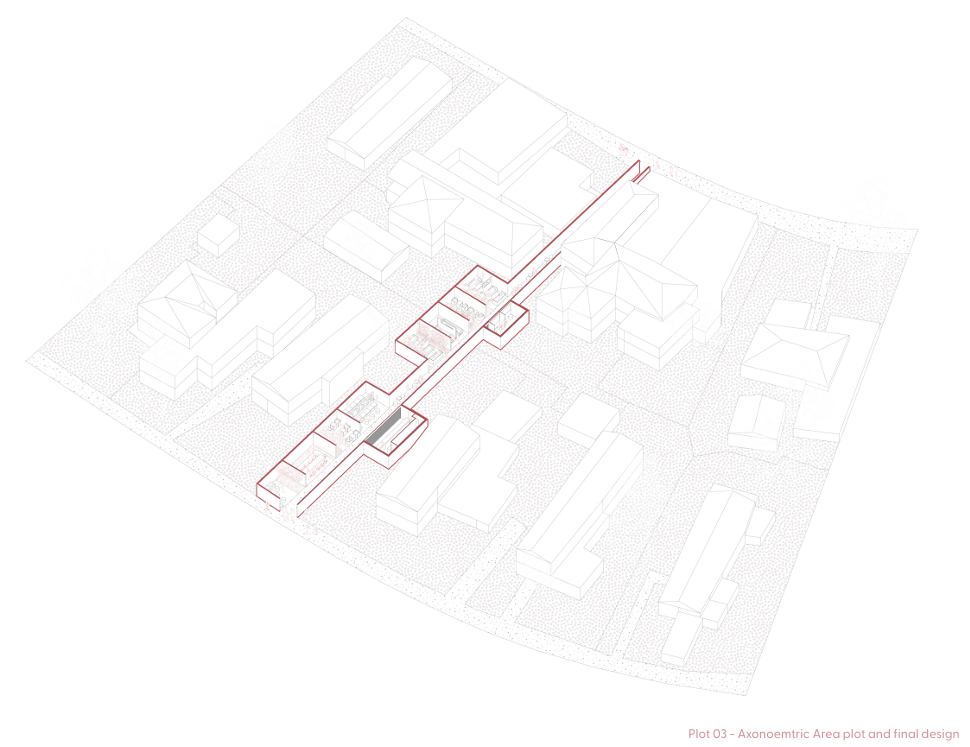
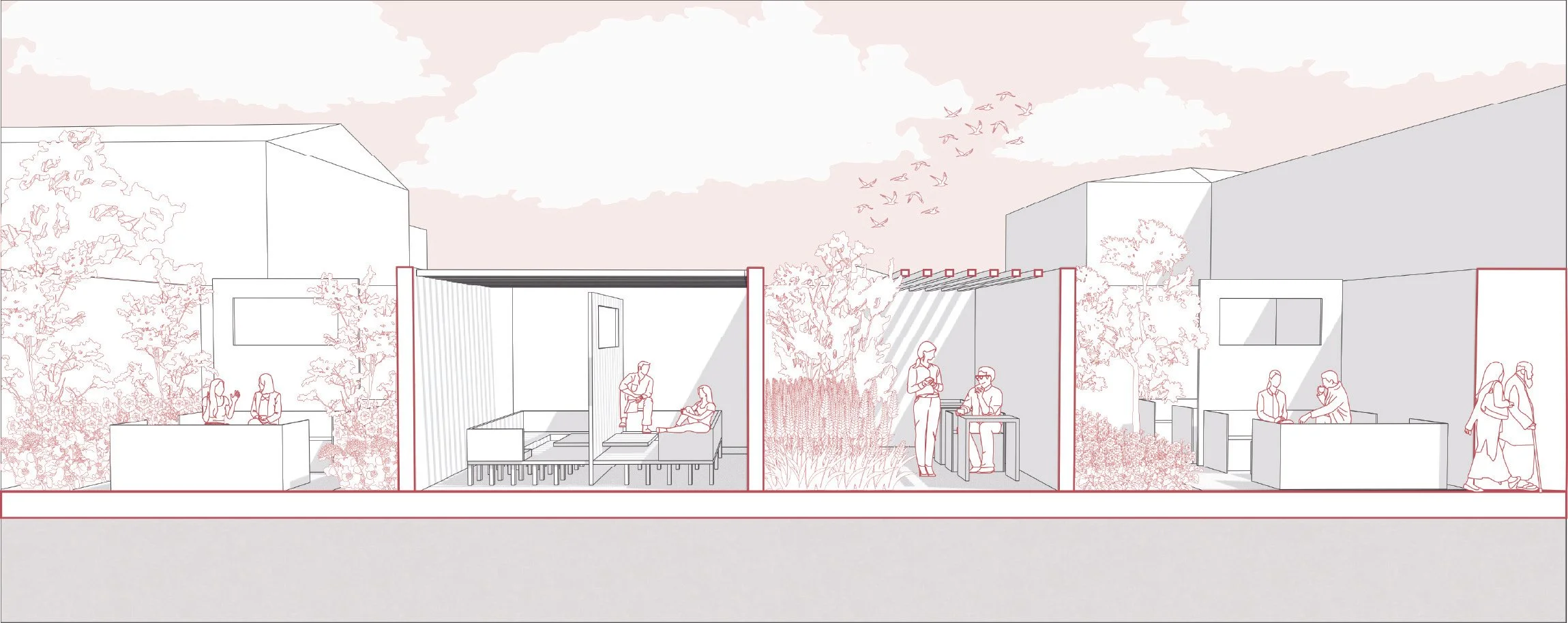
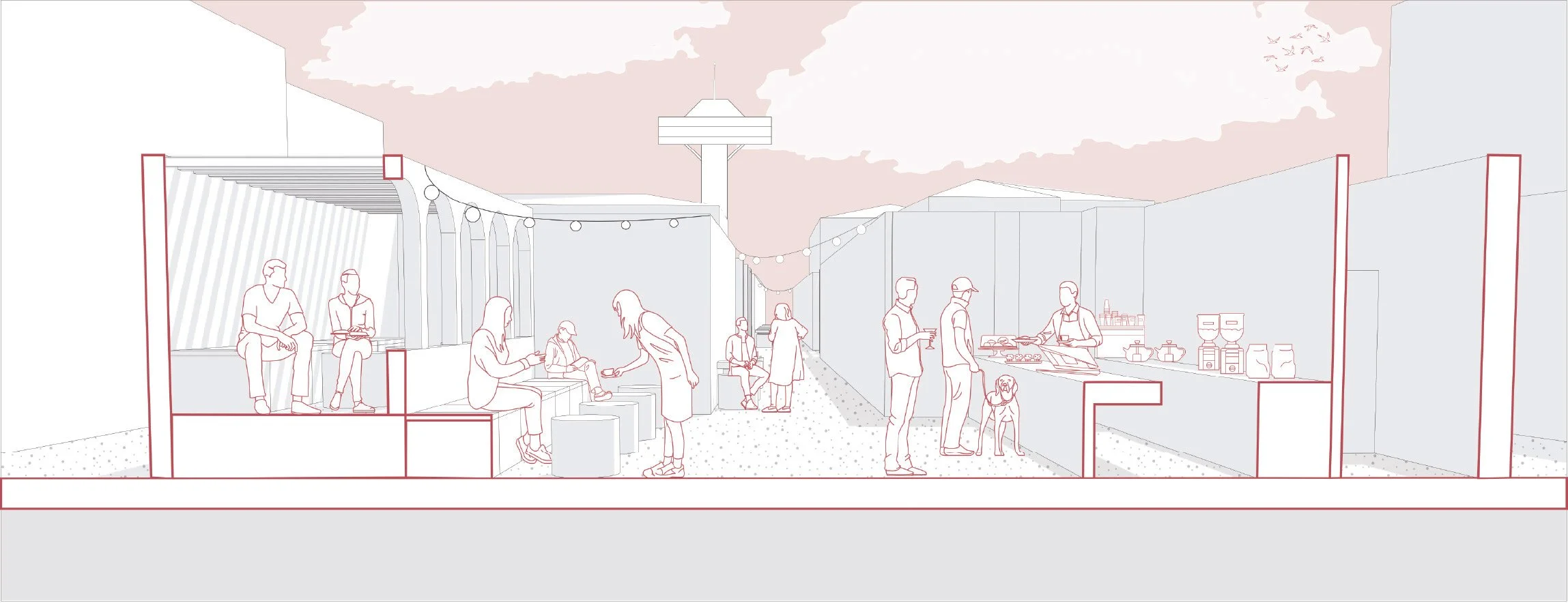
This joint final project, developed with a fellow student at Bezalel, began with coffee and tea—but more truthfully, with memory, ritual, and the architecture of gathering. Drawing on my Tunisian Jewish heritage, I explored the coffeehouse as a place where coffee was always present but never the true focus; what mattered were the stories, encounters, and quiet power of being together. In parallel, my collaborator studied tea and the cultural and spatial traditions of teahouses, allowing the project to examine how both beverages have shaped distinct yet interconnected forms of hospitality, exchange, and collective life. Across centuries and continents, coffeehouses and teahouses have served as cultural and intellectual crucibles, from Ottoman qahwas and traditional tea rooms to the “penny universities” of Enlightenment Europe, creating spaces where philosophy, politics, poetry, and everyday conversation could coexist. Their architecture was not incidental but essential, establishing the conditions for dialogue, thought, and belonging. Today, however, many contemporary cafés prioritize speed, branding, commodified ritual, and individual consumption, replacing interaction with isolation and transforming culturally rooted traditions into curated commercial experiences. This thesis investigates both what these spaces once represented and what has gradually been lost, tracing their social, cultural, and architectural evolution while asking how their essential qualities—openness, exchange, hospitality, and community—might be translated into a contemporary spatial language. The aim is not nostalgia, but to consider how architecture can once again support collective thought and meaningful human connection, rather than merely the consumption of coffee or tea.